
Essential Maintenance Tips for Garden Storage Solutions
Overview
Proper maintenance of garden tool storage systems, like high capacity tool racks and hooks, is essential for longevity and functionality. Regular inspections, cleaning, and protective measures against rust are key. Implement seasonal checklists and optimize space by grouping similar tools and labeling. With these practices, your gardening tools will stay organized and effective for years to come.
Table of Contents
- Understanding the Importance of Maintenance
- Weekly Check-Up: A Proactive Approach
- Cleaning Your Garden Storage Systems
- Tools Needed for Cleaning
- Cleaning Steps
- Protecting Against Rust and Weather Elements
- Choose the Right Coating
- Use Rust-Resistant Products
- Proper Indoor Storage
- Seasonal Maintenance Checklist
- Spring Cleaning
- Summer Checks
- Fall Preparation
- Winter Maintenance
- Optimizing Storage Space
- Maximize Vertical Space
- Group Similar Tools
- Labeling for Efficiency
- Expert Advice on Utilizing Hooks and Racks
- Load Distribution
- Appropriate Weight Limits
- Flexible Layouts
- Shaping Your Gardening Future
When it comes to maintaining a beautiful garden, organization is key. Garden tool storage systems, especially high capacity tool racks and hooks, play a pivotal role in keeping your tools handy and your shed clutter-free. However, to ensure these storage solutions last for years to come, proper maintenance is crucial. In this guide, we’ll delve into effective tips and practices for maintaining your garden storage hooks and racks, ensuring that they remain functional, reliable, and an integral part of your gardening routine.
Understanding the Importance of Maintenance
Much like your garden, your storage solutions require regular care. Neglecting maintenance can lead to various issues, such as rust, instability, and an overall reduction in functionality. Proper care not only prolongs the life of your storage but can also enhance the aesthetic appeal of your garden space. Whether you utilize sturdy racks or robust hooks, understanding how to maintain them is essential. Let’s explore these maintenance tips in detail!
Weekly Check-Up: A Proactive Approach
Routine check-ups on your garden storage hooks and racks can prevent issues before they arise. Here’s what you should do:
- Inspect for Damage: Look out for any cracks or bends in your racks. A bent rack can compromise the stability of your tools.
- Check Fasteners: Ensure that screws and bolts are tightly fastened. Loose fasteners can lead to safety hazards.
- Clean Regularly: Dust and dirt accumulation can affect the performance of your storage solutions. Use a damp cloth to wipe them down.
Cleaning Your Garden Storage Systems
Cleaning is a crucial aspect of maintaining your garden tool storage. Here are steps you can follow:
Tools Needed for Cleaning
Before you start, gather the following supplies:
- Soft cloth or sponge
- Water
- White vinegar or a mild detergent
- Soft-bristled brush
Cleaning Steps
- Remove Tools: Take all tools off the racks and hooks. This not only allows you to clean effectively but also provides an opportunity to assess the condition of your tools.
- Wipe Down Surfaces: Using the damp cloth or sponge, wipe down all surfaces. For tough spots, add a diluted solution of vinegar or mild detergent.
- Inspect and Scrub: Use a soft-bristled brush to scrub any areas showing signs of corrosion or build-up.
- Dry Thoroughly: Always dry the hooks and racks thoroughly to prevent moisture accumulation, which can lead to rust.
Protecting Against Rust and Weather Elements
Most garden storage solutions are made from metal, making them susceptible to rust. Here are a few tips to protect against rust and other weather-related wear:
Choose the Right Coating
While purchasing, opt for storage solutions that have a protective coating, such as powder coating. This can significantly reduce the chances of rust formation.
Use Rust-Resistant Products
If you notice signs of rust, use a rust remover, followed by a rust-inhibiting paint to protect the surface effectively. Regular touch-ups can help maintain the integrity of your storage solutions.
Proper Indoor Storage
If you know that extreme weather is coming, consider storing your hooks and racks indoors temporarily. This reduces exposure to rain, snow, and high humidity, helping maintain their structural quality.
Seasonal Maintenance Checklist
Just like you prepare your garden for different seasons, you should also have a seasonal maintenance checklist for your storage hooks and racks.
Spring Cleaning
- Inspect for any frost damage from winter.
- Deep clean all surfaces to remove winter grime.
- Check for rust spots and address them promptly.
- Ensure stability and tight fasteners after winter usage.
Summer Checks
- Examine for excessive moisture buildup, especially in areas with high humidity.
- Organize tools to ensure proper airflow between them.
- Apply anti-corrosion products where necessary.
Fall Preparation
- Clear out debris that may have collected over the summer.
- Revisit all hooks and racks; tighten any loose fittings.
- Prepare your storage solutions for the upcoming winter by ensuring no tools are left behind.
Winter Maintenance
- Clamp or secure any outside racks if they are exposed to harsh winter conditions.
- Move tools inside if extreme weather warnings are issued.
- Conduct a thorough inspection in preparation for the spring season.
Optimizing Storage Space
Effectively maintaining your garden tool storage isn’t just about upkeep; it’s also about optimizing the space to get the most out of your organization. Here are some helpful tips:
Maximize Vertical Space
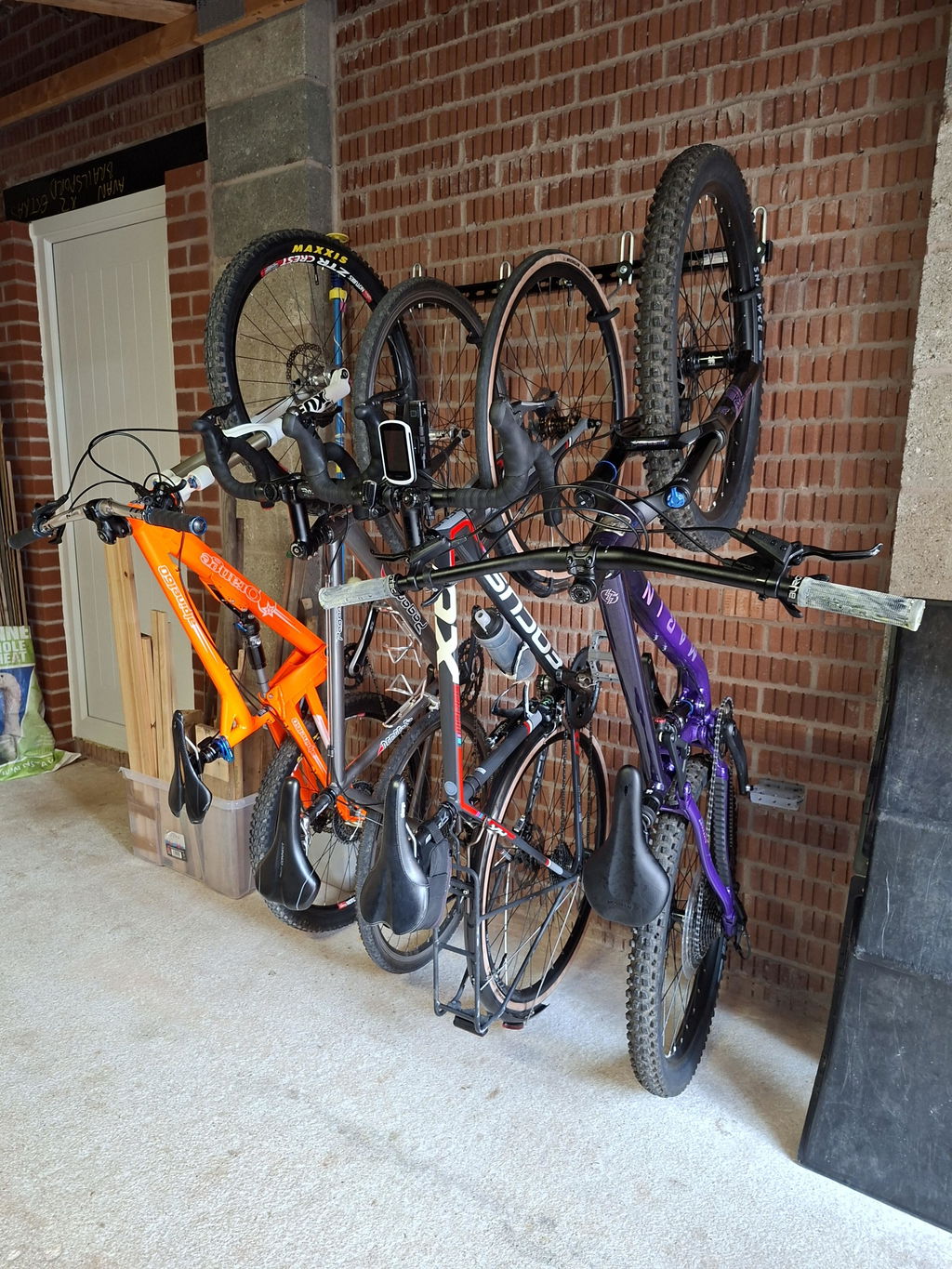
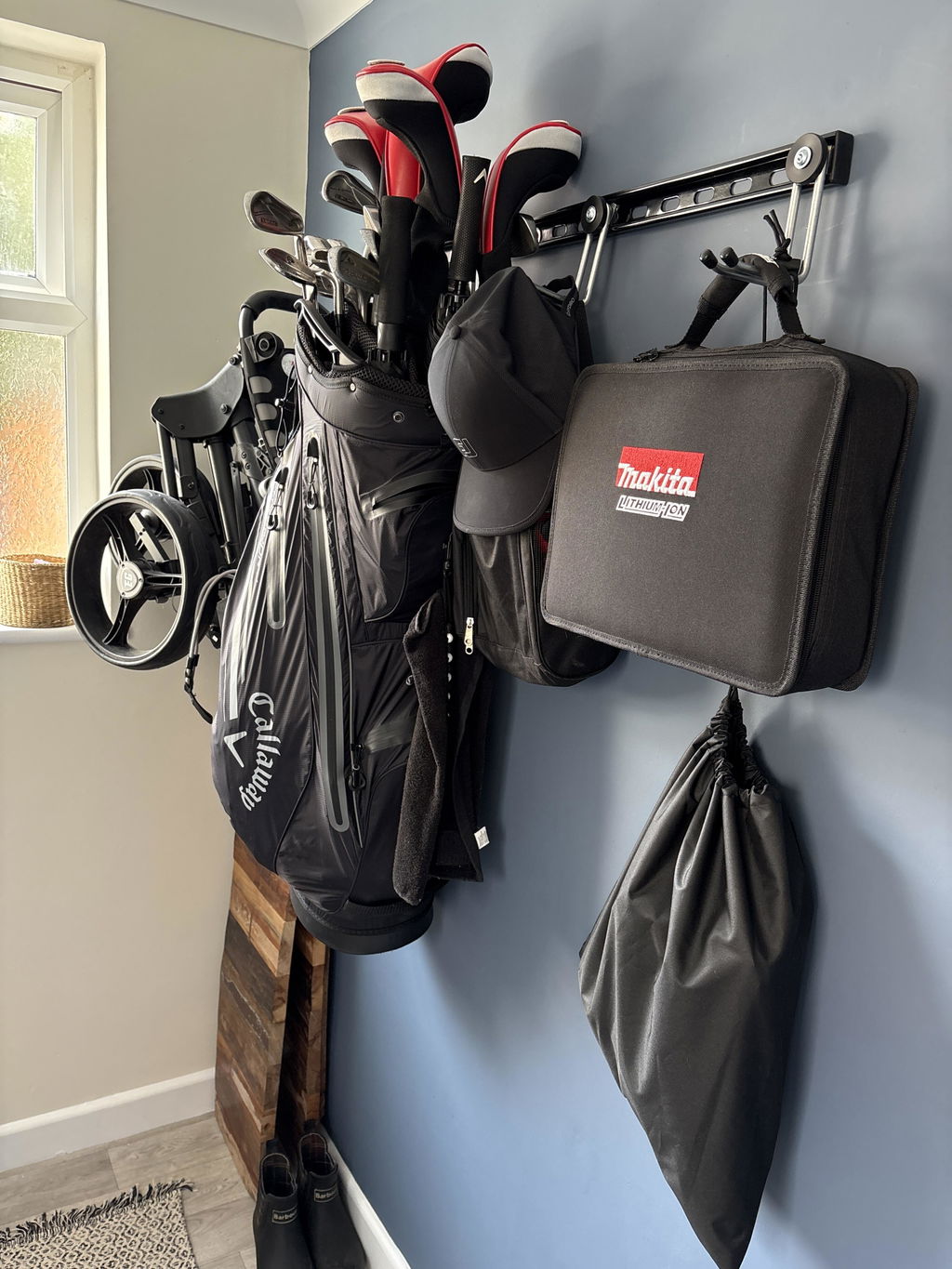
Utilizing vertical space is essential in any garden storage area. High capacity tool racks can help store multiple items without taking too much floor space.
Group Similar Tools
Keep similar tools together so you can find what you need quickly. Use hooks for hand tools, racks for larger equipment, and containers for smaller items.
Labeling for Efficiency
Labels can streamline your gardening process. They help you quickly identify where each tool belongs and ensure that everything finds its rightful place.
Expert Advice on Utilizing Hooks and Racks
While general maintenance is important, knowing how to utilize your hooks and racks can also enhance longevity and effectiveness. Consider the following:
Load Distribution
When using a high capacity tool rack, distribute weight evenly. Don't overload one side, as this can cause stability issues.
Appropriate Weight Limits
Engage with data from your storage solution's specifications regarding weight limits. This ensures you’re not exceeding what your hooks and racks can handle.
Flexible Layouts
Don’t hesitate to rearrange your tools based on seasons or gardening activities. A flexible layout can improve accessibility and flow while you work.
Shaping Your Gardening Future
Remember, taking good care of your garden storage hooks and racks is an investment in your gardening success. With just a little time and attention, you can ensure that these tools are reliable companions for years to come. By keeping your storage organized, clean, and well-maintained, you'll not only make your gardening endeavors more efficient but also enjoy a beautiful outdoor space that reflects your dedication and care. Start implementing these maintenance tips today, and watch as your gardening experience transforms, making every planting season a joy!
Frequently Asked Questions
1. Why is maintenance important for garden tool storage systems?
2. What are some routine maintenance tasks for garden storage hooks and racks?
3. What supplies do I need for cleaning garden storage systems?
4. How can I protect my tools from rust and weather damage?
5. What should I include in a seasonal maintenance checklist for garden tools?
Linked Product

Garden Tool Hooks Rack - heavy duty storage for 30+ garden tools
The Garden Tool Hooks Rack is designed to maximize storage efficiency by holding over 30 garden tools on a compact 1-meter wall-mounted system. Its heavy-duty construction allows for the storage of various tools, including larger items like chainsaws and hedge trimmers, while keeping your gardening space organized. This rack is an ideal solution for those with limited space who need a practical way to access their tools quickly.
View ProductKey Takeaways
- Regular Inspections: Conduct weekly check-ups to identify damage, loose fasteners, and dirt accumulation on your storage hooks and racks.
- Cleaning Routine: Remove tools and clean surfaces with a damp cloth, using vinegar or mild detergent for tough spots.
- Rust Prevention: Choose storage solutions with protective coatings and apply rust-resistant products to maintain integrity.
- Seasonal Maintenance: Follow a checklist for each season, addressing frost damage in spring and securing racks during winter.
- Optimize Space: Utilize vertical space effectively, group similar tools, and label for quick identification and organization.
- Load Management: Distribute weight evenly on racks and adhere to specified weight limits to prevent instability.
- Flexible Layouts: Rearrange tools based on seasonal needs to enhance accessibility and improve workflow.
Glossary
| Term | Meaning |
|---|---|
| Garden Tool Storage | Systems used to organize and store gardening tools. |
| High Capacity Tool Racks | Sturdy racks designed to hold multiple tools efficiently. |
| Maintenance | Regular care to keep storage solutions functional and reliable. |
| Rust | Corrosion that affects metal storage solutions over time. |
| Fasteners | Screws and bolts used to secure racks and hooks. |
| Cleaning Supplies | Tools needed for cleaning, such as cloths and brushes. |
| Protective Coating | A layer applied to metal to prevent rust and damage. |
| Seasonal Maintenance | Regular checks and care based on changing seasons. |
| Vertical Space | Utilizing height in storage areas to maximize efficiency. |
| Load Distribution | Evenly spreading weight on racks to maintain stability. |