
Top Garden Tool Storage Mistakes to Avoid
Overview
Properly storing your garden tools is essential for maintaining their condition and enhancing your gardening efficiency. Avoid common pitfalls like inadequate storage solutions, neglecting maintenance, and overlooking safety features to create an organized workspace. By implementing practical strategies for tool storage and care, you can streamline your gardening tasks and enjoy a more productive outdoor experience.
Table of Contents
- Not Choosing the Right Storage Solutions
- Ignoring Tool Maintenance Before Storage
- Overlooking Safety Features
- Underestimating the Importance of Labels
- Neglecting Seasonal Organization
- Choosing Inadequate Storage Space
- Failing to Consider Future Needs
- Overloading Storage Solutions
- Getting It Right for the Long Haul
Keeping your garden tools stored properly is not just about aesthetics; it’s crucial for their longevity and your gardening efficiency. Unfortunately, many gardeners make common mistakes that can lead to clutter, tool damage, and wasted time. In this post, we’ll dive into the frequent pitfalls of garden tool storage and how you can avoid them, ensuring an organized and efficient gardening space.
Not Choosing the Right Storage Solutions
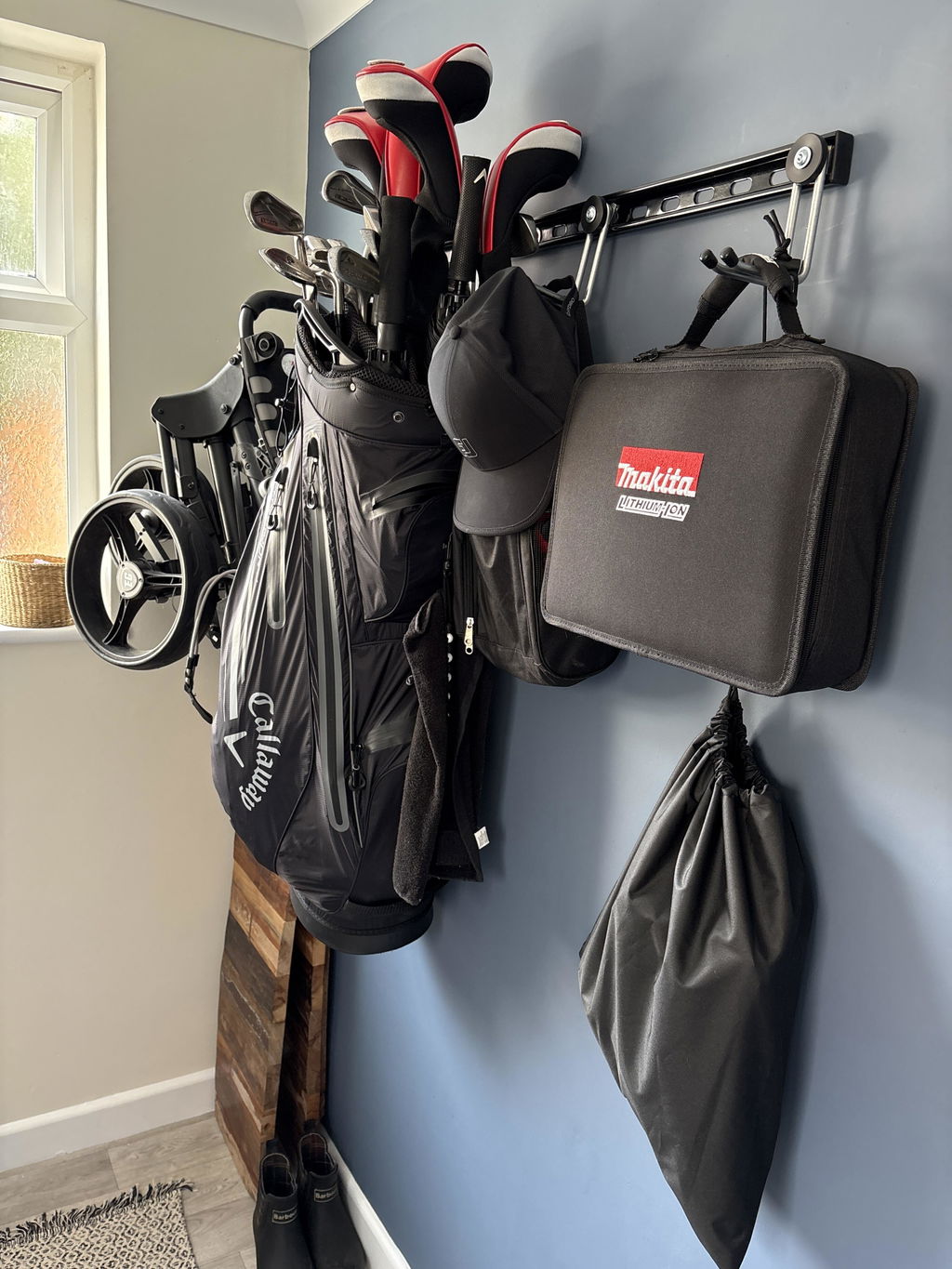
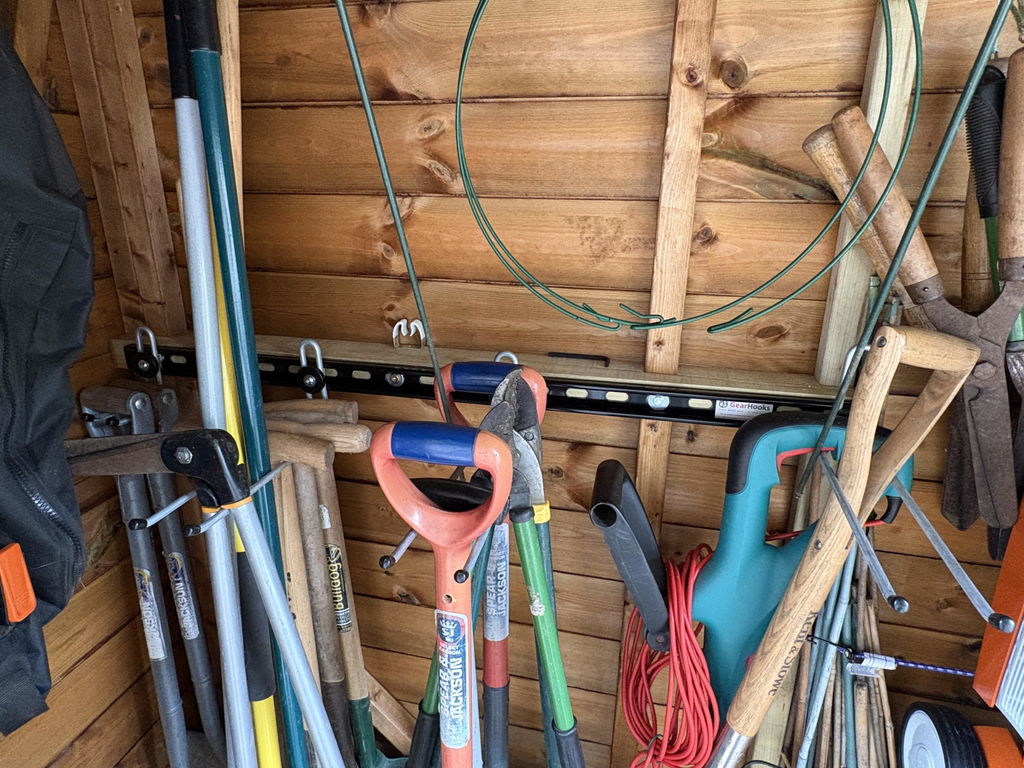
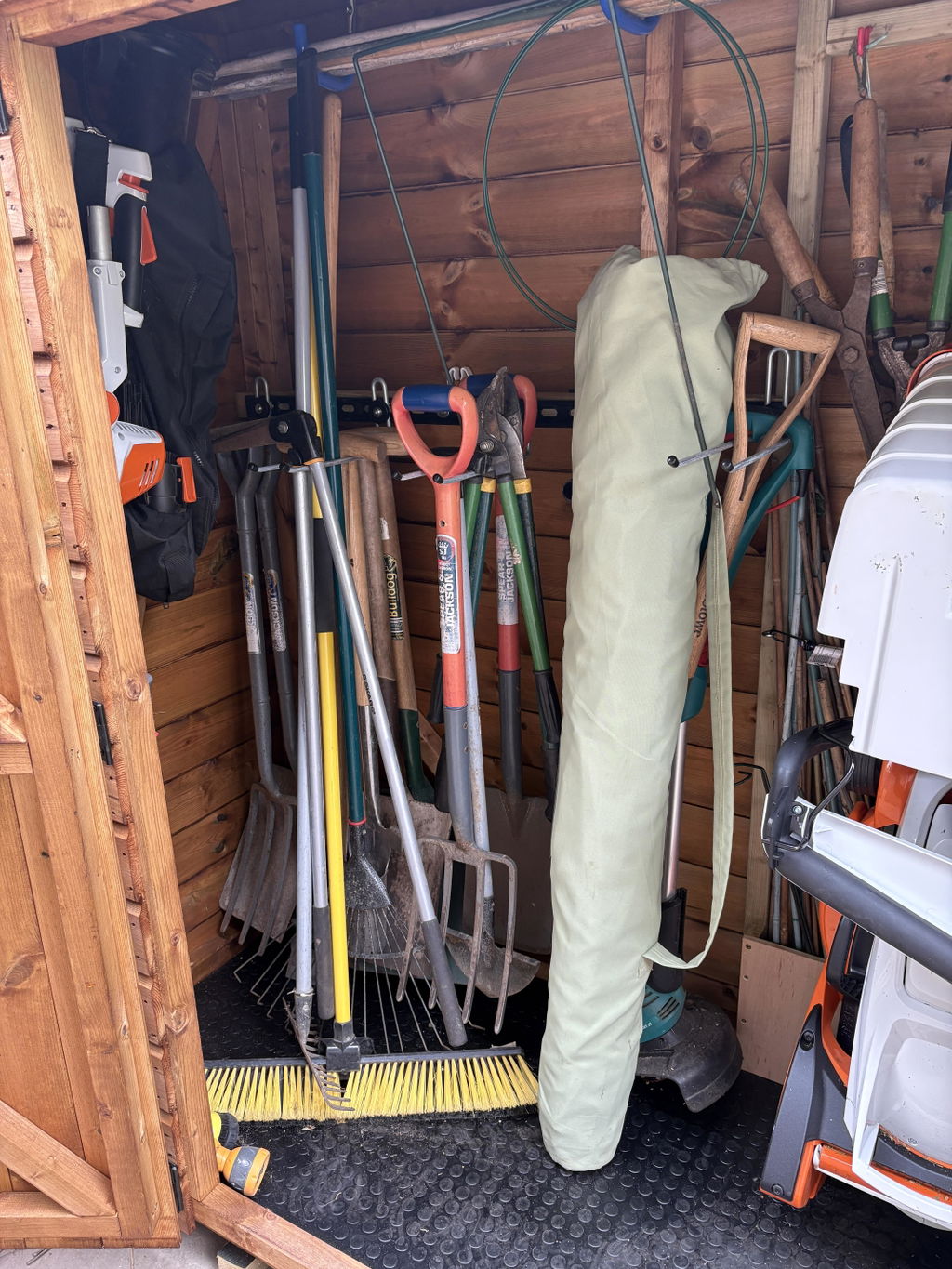
One of the most significant mistakes to avoid is failing to select adequate storage solutions for your garden tools. A garden tool rack can be a fantastic option for organizing your tools effectively. Without it, you may end up with a disorganized pile of tools, making it difficult to find what you need. Let’s explore why a dedicated storage solution is essential:
- Space Efficiency: A garden tool rack optimizes vertical space, allowing you to store more tools in less area.
- Easy Access: Proper storage solutions make it easy to grab your tools quickly and get back to your gardening tasks.
- Tool Longevity: Keeping your tools off the ground helps to prevent rust, damage, and degradation.
Ignoring Tool Maintenance Before Storage
Another common mistake is neglecting tool maintenance before storing your garden tools for the season. Tools that aren’t properly cleaned and maintained will degrade more quickly. Consider these maintenance tips:
- Clean Regularly: Remove soil and debris from your tools after each use to prevent corrosion and rust.
- Sharpen Blades: A sharp tool not only works better but will also last longer. Regular sharpening is essential.
- Oil Moving Parts: If you have tools with moving parts, lubricate them to ensure smooth operation.
Overlooking Safety Features
When organizing your tools, it's imperative not to overlook safety features in your storage solutions. Improperly stored tools can become hazards. Here are some safety features to consider:
- Stability: Ensure that any racks you choose are stable and securely mounted so they won’t fall or tip over.
- Weight Capacity: Be aware of the weight limitations of your storage solutions, particularly if you use heavier garden equipment.
- Secure Hooks: Use garden tool racks with hooks designed specifically for various tool sizes and shapes for safe and efficient storage.
Underestimating the Importance of Labels
Labeling your storage can help streamline your gardening experience. Failure to label can lead to confusion and time wasted searching for tools. Here’s why labeling is a smart move:
- Quick Identification: Labels make it easy to identify tools at a glance, saving time when you’re in the middle of a project.
- Encourages Organization: When tools have designated spots, it encourages everyone to return them after use.
- Reduces Damage: Knowing where each tool belongs minimizes the chance of accidentally damaging them through misplacement.
Neglecting Seasonal Organization
The changing seasons bring different gardening tasks, necessitating seasonal organization of your tools. Failing to adjust your storage and organization when seasons change can lead to clutter. Here’s how to manage this effectively:
- Rotate Tools: Store away seasonal tools that are not currently in use, such as snow shovels in summer and lawn mowers in winter.
- Prioritize Accessibility: Keep frequently used tools like pruners and gloves within easy reach during their peak use seasons.
- Evaluate Needs: Regularly evaluate which tools you use the most and adjust your storage layout accordingly.
Choosing Inadequate Storage Space
Using the wrong space for storing your tools can cause unnecessary damage. Consider where you’re keeping your tools, and avoid these mistakes:
- Avoid Damp Areas: Always store your tools in dry spaces. Moisture can lead to rust and degradation.
- Keep Away from Direct Sunlight: Excessive sun can warp plastic handles and damage wooden parts. Choose shaded areas for storage.
- Separate Heavy and Light Tools: Store heavy tools low to the ground, and avoid placing lighter tools on top of heavier ones to prevent crushing.
Failing to Consider Future Needs
While organizing your tools, it’s essential not to think only about your current collection but also about future needs. This can prevent extra costs and organizing headaches down the line.
- Assess Growth: If you anticipate accumulating more tools, invest in a larger garden tool rack to accommodate these future additions.
- Consider Versatility: Opt for storage systems that can be easily modified or expanded as your tool collection grows.
- Plan for Efficiency: Design your space with tools you may need in mind, ensuring you don’t have to re-organize frequently.
Overloading Storage Solutions
Lastly, many gardeners make the mistake of overloading their storage systems. This can lead to damage and make it more challenging to access your tools. Follow these guidelines for effective load management:
- Recognize Capacity: Understand the weight limits of your storage hooks and racks.
- Utilize Multiple Storage Solutions: Don’t cram all tools into one rack; spread items across multiple solutions for better organization and access.
- Regularly Review Storage: Go through your storage periodically to remove tools you no longer use and to ensure everything is well-organized.
Getting It Right for the Long Haul
By being mindful of these common garden tool storage mistakes, you can create a well-organized and efficient space that enhances your gardening experience. Remember, a well-maintained and structured garden leads to a flourishing outdoor space. Invest in proper storage solutions like a sturdy garden tool rack, focus on maintenance, and ensure your tools are readily available and protected. With the right approach, your gardening efforts will be more fruitful and enjoyable.
Don’t let clutter and disorganization take a toll on your gardening ambitions. With practical steps and smart choices, you can reap the benefits of efficient garage tool management, leading to a gardening experience that’s not only productive but also satisfying. Happy gardening!
Frequently Asked Questions
1. Why is proper garden tool storage important?
2. What should I consider when choosing storage solutions for my garden tools?
3. What maintenance should I perform on my tools before storing them?
4. How can labeling my tool storage help?
5. What are the risks of failing to organize tools seasonally?
Linked Product

Heavy Duty Garden Tool Rack | Wall Organiser for 20+ Tools | GearHooks
The Heavy Duty Garden Tool Rack by GearHooks® provides an efficient solution for organizing 20 or more garden tools, including both large and heavy equipment. Its adjustable design allows for easy repositioning of tools, maximizing wall space while keeping your garage or shed tidy. With simple installation on various wall types and included fittings, this rack accommodates a wide range of tools, ensuring easy access and storage.
View ProductKey Takeaways
- Select the Right Storage Solutions: Utilize a garden tool rack to optimize space and keep tools organized.
- Prioritize Tool Maintenance: Clean, sharpen, and lubricate tools before storage to extend their lifespan.
- Incorporate Safety Features: Ensure racks are stable and designed for the weight and size of your tools to prevent hazards.
- Use Labels: Label storage areas for quick identification and to encourage organization among users.
- Seasonal Organization: Rotate tools based on seasonal needs and keep frequently used items easily accessible.
- Avoid Inadequate Storage Spaces: Store tools in dry, shaded areas to prevent rust and damage from sunlight.
- Manage Storage Capacity: Regularly review and avoid overloading storage solutions to maintain easy access to tools.
Glossary
| Term | Meaning |
|---|---|
| Garden Tool Rack | A storage solution that organizes tools vertically, saving space. |
| Tool Longevity | The lifespan of tools, enhanced by proper storage and maintenance. |
| Tool Maintenance | Regular care of tools to prevent rust and ensure functionality. |
| Safety Features | Design elements that prevent accidents and secure tools during storage. |
| Labels | Tags used to identify tools quickly, promoting organization. |
| Seasonal Organization | Adjusting tool storage based on seasonal gardening needs. |
| Weight Capacity | The maximum weight a storage solution can safely hold. |
| Damp Areas | Locations with moisture that can cause tool rust and damage. |
| Overloading | Filling storage beyond its capacity, leading to damage and disorganization. |
| Versatility | The ability of a storage system to adapt to changing tool collections. |