
Home Recording in Winter: Essential Gear Care and Storage Tips
Key Takeaways
- Cold concrete floors and exterior wall drafts create severe thermal shock that detunes instruments and damages condenser microphone diaphragms.
- Indoor heating causes winter relative humidity to plunge below 30%, risking fret sprout, wood cracking, and cable jacket brittleness.
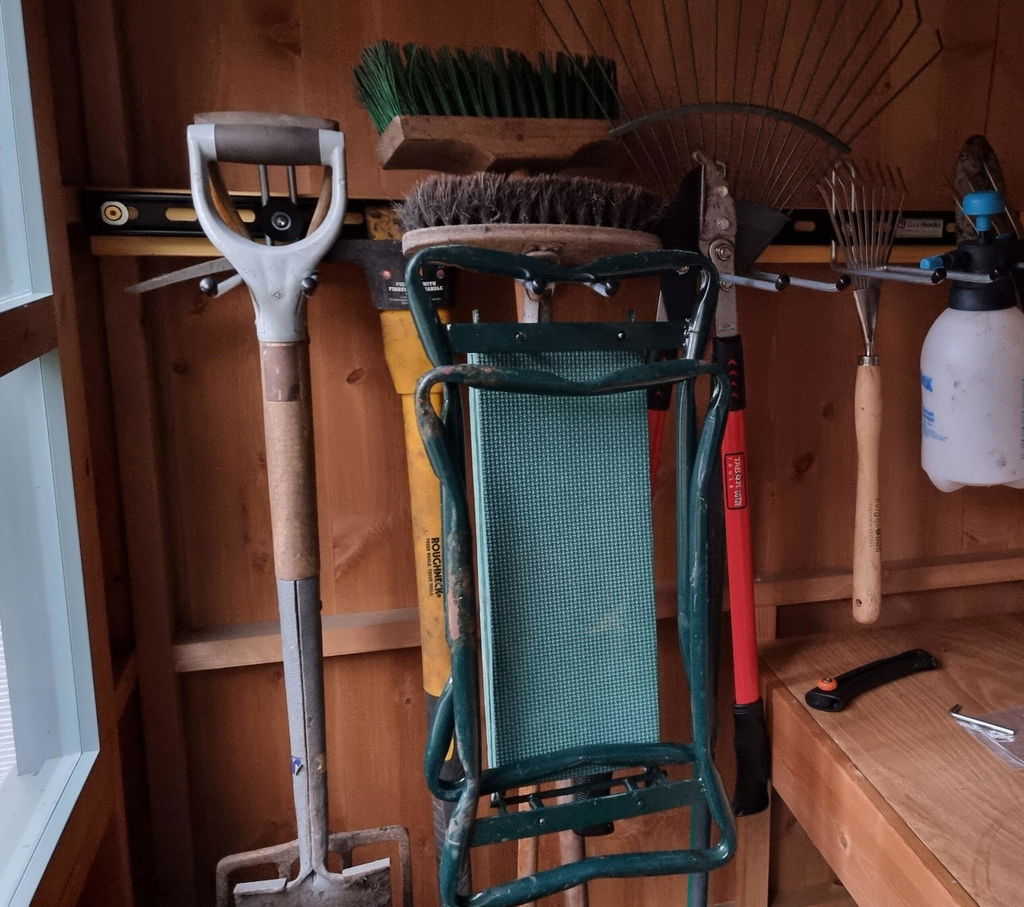
- A heavy duty steel rail keeps sensitive tracking gear elevated into stable indoor microclimates away from floor-level cold air dams.
- Engineered steel rail systems provide superior security over traditional DIY timber mounts by supporting up to 100 kg across modular setups.
Table of Contents
- Why Winter Demands a Better Guitar Wall Mount DIY Strategy
- Microclimates and Studio Equipment Storage: Escaping the Freeze Zone
- Best Guitar Wall Mount DIY Approaches vs Heavy Duty Steel Rails
- Guitar Hanging on Wall Ideas for Cables, Mics, and Tracking Rigs
- Guitar Wall Mount DIY Woodworking Compared to Modular Steel Systems
- Winter Gear Storage: Environmental Performance Comparison
- Top 5 Winter Studio Problems Solved by Storage Rails
- Frequently Asked Questions
Winter brings crisp creative focus to home tracking rooms, but it also unleashes severe environmental threats upon delicate audio hardware. When central heating kicks on across homes in 2026, relative humidity frequently drops to desert-like levels while sub-zero drafts seep beneath floorboards and exterior walls. If you are planning a guitar wall mount diy project this season, you need to account for rapid temperature swings, dry indoor air, and structural load reliability.
Leaving instruments resting on traditional floor stands exposes tonewoods and sensitive electronics to low-lying cold thermal boundaries. Cold air collects along the baseboards, while dry radiators bake the upper layers of your tracking room. Lifting your instruments, high-end condenser mics, and studio cables onto an engineered storage rail establishes a safe, temperature-regulated microclimate that safeguards acoustic glue joints and copper audio wiring.

Proper home tracking room organization does far more than tidy a crowded room; it preserves the physical calibration of your creative tools. By pairing proactive environmental management with a modular recording gear wall rack, independent producers can eliminate clutter while protecting their most valuable investments throughout the harsher winter months.
Why Winter Demands a Better Guitar Wall Mount DIY Strategy
Winter changes the physics inside your tracking room. Research compiled by architectural scientists at NIST demonstrates that interior air stratification causes temperature disparities of up to 10°F between floor level and ceiling height in domestic buildings. When precious gear sits on carpets or timber floorboards, it absorbs constant cold drafts that strain organic materials.
The Threat of Low Relative Humidity
Central heating strips indoor ambient moisture at a staggering pace. When indoor humidity plummets below the optimal 40% to 50% studio range, spruce tops shrink, neck angles shift, and sharp fret sprout emerges along fingerboards. Implementing an elevated guitar wall mount diy layout positions instruments at mid-room height, where atmospheric humidity stabilizes closer to your active room humidifier.
Condenser Microphones and Membrane Condensation
Studio microphones are equally vulnerable to winter temperature drops. The precision mylar diaphragms found in large-diaphragm condensers collect microscopic moisture when moved quickly from cold floor corners to warm human breath. Storing sensitive microphones in a dedicated, elevated studio equipment storage rack prevents diaphragm contamination and maintains pristine transient response during tracking.
Cable Sheaths and Copper Fatigue
Polyvinyl chloride (PVC) audio cable jackets lose their plasticizer elasticity in cold conditions. Coiling frozen studio leads off the floor or stepping on them when they sit in chilly corners causes internal shielding cracks and intermittent signal noise. Organizing balanced audio leads onto a modular studio cable organizer keeps jacket materials pliant and prevents microphonic cable failure during winter recording blocks.
Need a rock-solid foundation to keep your guitars and audio gear elevated from freezing floors this winter?
Explore Extra GearRails® and Wall Fixings →Microclimates and Studio Equipment Storage: Escaping the Freeze Zone
Creating an ergonomic, thermally protected workspace requires understanding thermal bridging across domestic rooms. According to the structural guidelines published by the U.S. Department of Energy, exterior masonry walls without interior thermal insulation leak significant radiant warmth during sub-zero periods. Mounting fragile instruments directly flush against cold exterior brick can cause uneven cooling across neck joints.
Establishing Safe Wall Distances
When selecting your home studio organization layout, choose interior partition walls whenever possible. If you must use an exterior wall, an engineered gear rail ensures your instruments sit suspended away from the cold wall surface, promoting circular air currents behind the instrument bodies to prevent condensation pockets. To refine your studio layout further, consult 7 Guitar Rack Care Tips From Pro Audio Engineers for 2026.
Airflow Circulation and Thermal Equilibrium
Elevating instruments to eye level allows ambient HVAC air to wash evenly over the front and back of stringed instruments. This dynamic thermal equilibrium prevents back-bowing caused when the rear of an instrument stays frigid while the front faces radiant room heating. A sturdy instrument wall rail gives you the clearance needed for continuous, protective airflow throughout the winter season.
Protection for Auxiliary Tracking Peripherals
It is not just guitars that suffer from winter chill; DI boxes, headphone amps, dynamic splitters, and custom patch cables perform poorly when kept near drafty floor registers. Integrating specialized hooks along your recording room storage system ensures that every metal-chassis tracking device remains at an even, operational room temperature, eliminating early session noise spikes.
Best Guitar Wall Mount DIY Approaches vs Heavy Duty Steel Rails
Many musicians start by researching the best guitar wall mount diy ideas on forum boards, looking at handmade timber brackets or threaded pipe fittings. While rustic woodwork holds visual charm, structural failure during seasonal humidity swings remains a massive hazard for expensive instruments.
The Inherent Weakness of Wood Swelling
Wood naturally expands and contracts as indoor heating cycles turn on and off. A hand-crafted wooden backplate mounted with basic screws can loosen over months of winter contraction cycles, jeopardizing your instruments. In contrast, an industrial cold-rolled heavy duty steel rail remains dimensionally immutable regardless of dry studio heat, maintaining its rock-solid structural integrity all year round.
Weight Capacity and Secure Anchoring
A single vintage electric bass or solid-body mahogany guitar can exert serious leverage on single-point anchors. Traditional DIY mounting often requires drilling multiple haphazard holes across studs and drywall. The GearHooks® GearRail® installs with just 3 precision holes and supports up to 100 kg across a 1-metre section, providing industrial-grade safety that easily surpasses standard DIY mounting brackets.
Modular Flexibility for Growing Rigs
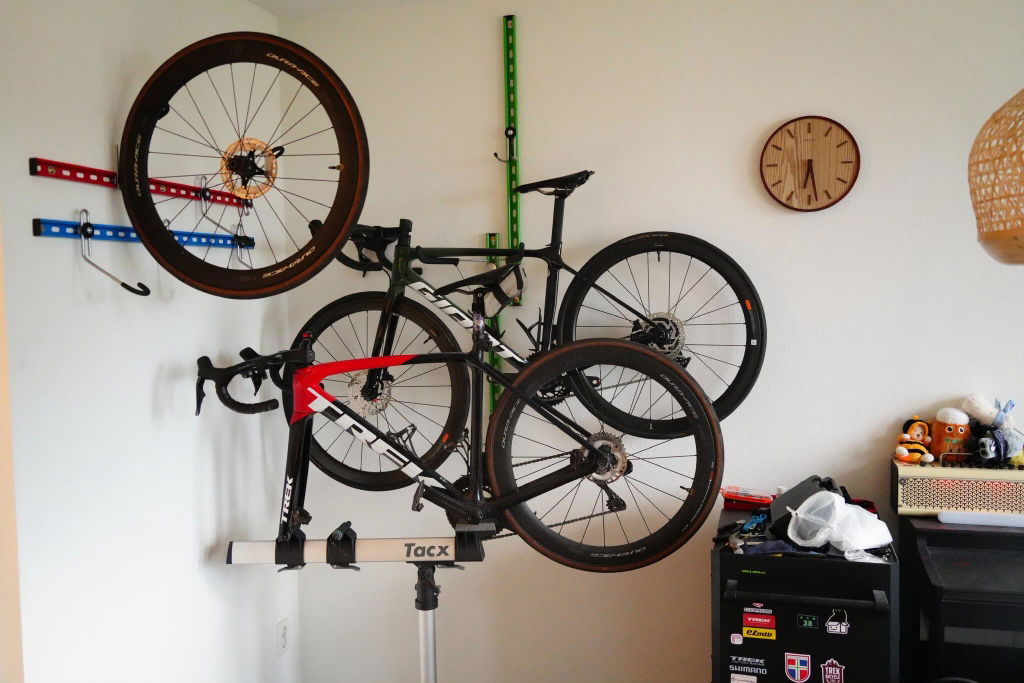
Tracking rigs evolve rapidly. If you buy new gear during winter sales, standard static wall hangers lock you into rigid spacings. Utilizing a powder coated wall rack allows hooks to be moved, added, or spaced sideways across more than 20 pre-machined mounting slots without drilling fresh holes into your walls. For a systematic studio build, take a look at The 4-Stage Guitar Wall Upgrade Plan for Your 2026 Studio.
Guitar Hanging on Wall Ideas for Cables, Mics, and Tracking Rigs
A tidy studio accelerates creative flow. When exploring practical guitar hanging on wall ideas, look beyond stringed instruments to build a unified tracking wall that puts every winter session necessity right at your fingertips.
Cable Clutter Elimination
Nothing slows down recording inspiration faster than untangling a pile of stiff, freezing microphone leads picked up from the corner floor. By fitting modular hooks along a modular studio rack, you can stage balanced XLRs, braided instrument leads, and headphone extension cables in organized loops, categorized by length and wire gauge.
Integrating Headphones and Microphones
Winter tracking demands warm, comfortable monitoring. Use padded studio hooks to suspend open-back tracking headphones, mic shock mounts, and pop filters directly above your instrument wall. This organized vertical footprint protects sensitive headphone diaphragms from accidental foot traffic and keeps work desks free for keyboards, mixing surfaces, and audio interfaces.
Sideways Staging for High-Density Spaces
For compact home project studios, mounting instruments flat against the wall takes up valuable horizontal boundary space. Configuring an angled or sideways layout using a versatile storage rail allows you to store three to five guitars along a single 1-metre track, drastically maximizing usable floor area while maintaining total instrument safety. Learn more about space efficiency in The Complete Multi-Instrument Wall Setup for Under £100 in 2026.
Upgrade your studio with an ultra-strong, 100Kg rated modular rail available in 8 powder-coated finishes.
Order Your Modular GearRail® System Today →Guitar Wall Mount DIY Woodworking Compared to Modular Steel Systems
Many musicians love building things with timber, and searching for guitar wall mount diy woodworking designs is a favorite weekend hobby. However, when safeguarding thousands of pounds in custom guitars and audio interfaces against winter conditions, metal engineering delivers clear technical advantages.
Thermal Expansion and Fastener Loosening
Wood is an anisotropic material that warps unevenly when relative humidity plummets below 30% in heated winter rooms. As timber dries out, internal screw threads slip, generating play in wooden mounting arms. Cold-rolled, galvanized steel does not expand, warp, or crack under home heating changes, ensuring permanent mounting safety.
Chemical Finish Interactions
Many DIY woodworking plans recommend varnishes, polyurethane finishes, or cheap adhesive foam pads for instrument cradles. These finishes can off-gas synthetic compounds that chemically melt vintage nitrocellulose finishes on guitars. Professional storage systems incorporate inert materials that never bond to or discolor delicate instrument headstocks.
Quick Installation with Minimal Structural Impact
Building a timber batten wall requires complex measuring, mitering, sanding, and drilling dozens of wall anchors across masonry or wall studs. The GearHooks® GearRail® mounts securely using just three precision holes with heavy-duty hex head wall bolts, allowing an entire studio upgrade to be finished in under 10 minutes without turning your room into a dusty construction site.
Winter Gear Storage: Environmental Performance Comparison
To help you choose the safest approach for your winter recording studio, this comparison highlights how different storage options handle the thermal and physical stresses of cold weather:
| Storage Method | Winter Draft Isolation | Max Weight Capacity | Wall Invasiveness | Adaptability |
|---|---|---|---|---|
| Traditional Floor Stand | Poor (Exposed to floor chill) | 15 kg - 25 kg | Zero (Uses floor footprint) | None (Fixed geometry) |
| DIY Timber Wall Mount | Moderate (Flush to wall) | 20 kg - 40 kg | High (8-12 wall drill holes) | Rigid (Cannot re-space) |
| GearHooks® Heavy Duty Rail | Excellent (Air gap + elevated) | Up to 100 kg | Low (Only 3 mounting holes) | Complete (20+ hook slots) |
Top 5 Winter Studio Problems Solved by Storage Rails
-
Acoustic Guitar Top Cracking: Raising acoustic instruments off freezing floors into balanced ambient room zones stops acute moisture extraction from thin soundboards.
-
Brittle Cable Split Failures: Storing long cable runs in relaxed, hanging loops keeps rubber and PVC sleeves supple, preventing costly inner copper braid shear.
-
Floor Clutter and Space Choke Points: Cold winter weather keeps sessions indoors; clearing trip hazards like floor stands maximizes your usable tracking floor plan.
-
Damaging Wall Condensation: Engineered standoffs keep your valuable instruments safely spaced off cold masonry walls, stopping mold and moisture buildup behind headstocks.
-
Session Setup Drag: Having instruments, headphones, and leads organized along a clean visual rail keeps inspiration moving rapidly during fast-paced winter sessions.
Get your studio organized for winter with a heavy-duty, British-designed modular rail backed by a lifetime guarantee.
Claim Your GearRail® Setup with 20% Off Bundles →
Frequently Asked Questions
Can I use adhesive strips or a guitar wall hanger without drilling in winter?
- Acoustic Guitar Top Cracking: Raising acoustic instruments off freezing floors into balanced ambient room zones stops acute moisture extraction from thin soundboards.
- Brittle Cable Split Failures: Storing long cable runs in relaxed, hanging loops keeps rubber and PVC sleeves supple, preventing costly inner copper braid shear.
- Floor Clutter and Space Choke Points: Cold winter weather keeps sessions indoors; clearing trip hazards like floor stands maximizes your usable tracking floor plan.
- Damaging Wall Condensation: Engineered standoffs keep your valuable instruments safely spaced off cold masonry walls, stopping mold and moisture buildup behind headstocks.
- Session Setup Drag: Having instruments, headphones, and leads organized along a clean visual rail keeps inspiration moving rapidly during fast-paced winter sessions.
Get your studio organized for winter with a heavy-duty, British-designed modular rail backed by a lifetime guarantee.
Claim Your GearRail® Setup with 20% Off Bundles →Frequently Asked Questions
Can I use adhesive strips or a guitar wall hanger without drilling in winter?
Can I use adhesive strips or a guitar wall hanger without drilling in winter?
Using adhesive hangers for heavy studio instruments is dangerous, particularly in winter. Dry indoor air and cycling heat degrade synthetic adhesives over time, often resulting in sudden mounting failures. A mechanical fastener anchored into brick, concrete, or wall studs using heavy-duty bolts is the only safe way to support your guitars.
How far off the floor should a studio storage rail be installed?
Ideally, install your rail so the bases of your instruments hang at least 60 cm (24 inches) above the floor. This elevation lifts the instruments well clear of low-lying cold drafts while placing them within easy, ergonomic reach from your recording chair.
Are powder-coated steel rails safe for home recording spaces?
Yes, cold-rolled powder-coated steel offers outstanding durability and clean, modern aesthetics suitable for any home studio or office. The non-reactive powder coating resists moisture, will not scratch your gear, and provides a sleek look available in eight distinct colors.
How does low winter humidity cause fret sprout on guitars?
When dry winter heating leaches moisture from an instrument, the wooden fretboard shrinks in width. Because metal nickel-silver fret wire does not shrink, the fret ends push outward past the binding or wood edge, creating sharp, uncomfortable edges that can hinder playing.
Can a 1-metre steel rail hold bass guitars and heavy gear simultaneously?
Yes. A heavy-duty steel rail like the GearHooks® GearRail® supports up to 100 kg when properly secured to masonry, brick, or timber studs. That provides more than enough capacity to hold several solid-body electric basses, multiple acoustic guitars, heavy cable looms, and peripheral equipment without sagging.
What wall materials work best with the included heavy-duty fixings?
The included expanding nylon fixings and heavy-duty hex head bolts anchor reliably into solid brick, blockwork, stone, concrete, and timber studs behind drywall. The system includes everything needed for a safe, 10-minute installation right out of the box.

🛍️ Part of a Collection
Guitar wall mounts | Hooks & Racks | GearHooks
Discover all products in this collection
View Full Collection →