
Hanging vs. Shelving: Best Ways to Store Garden Tools
Overview
Organizing garden tools can be achieved through hanging or shelving methods. Hanging maximizes vertical space, enhances visibility, and prevents damage but has limited storage capacity. Shelving offers flexible storage and easy organization but requires floor space and can lead to overcrowding. Choose the best method based on your available space, tool quantity, and usage frequency, or consider combining both for optimal organization. Regular maintenance and labeling can further enhance your tool organization system.
Table of Contents
- Understanding Outdoor Tool Organization
- The Pros of Hanging Garden Tools
- Maximizing Vertical Space
- Enhanced Visibility and Accessibility
- Preventing Damage
- The Cons of Hanging Garden Tools
- Limited Storage Capacity
- Permanent Fixtures
- Diving Into Shelving Solutions
- Pros of Using Shelves
- Cons of Using Shelves
- Analyzing the Best Method for Your Garden Tools
- Consider Your Space
- Assess Tool Quantity and Variety
- Frequency of Use
- Combining Hanging and Shelving Methods
- Practical Tips for Effective Tool Organization
- Regular Maintenance
- Safety First
- Labeling Your Tools
- Final Thoughts: Crafting Your Garden Tool Oasis
Managing garden tools can be a daunting task for garden enthusiasts and homeowners alike. With the right outdoor tool organization, you can keep your tools accessible, safe, and in excellent condition, prolonging their lifespan. This article delves into two primary methods of tool organization: hanging and shelving. We will analyze which approach is best suited for your needs, keeping in mind factors such as space, accessibility, and tool types.
Understanding Outdoor Tool Organization
Before we dive into hanging versus shelving, let's discuss what outdoor tool organization truly means. Outdoor tool organization refers to various strategies and systems for storing gardening and landscaping equipment in a manner that maximizes space and efficiency. A well-organized garden shed or garage can significantly improve your gardening experience by ensuring that you can find your tools quickly when you need them.
The Pros of Hanging Garden Tools
Hanging tools can bring a plethora of benefits for your outdoor tool organization strategy. Below are some notable advantages:
Maximizing Vertical Space
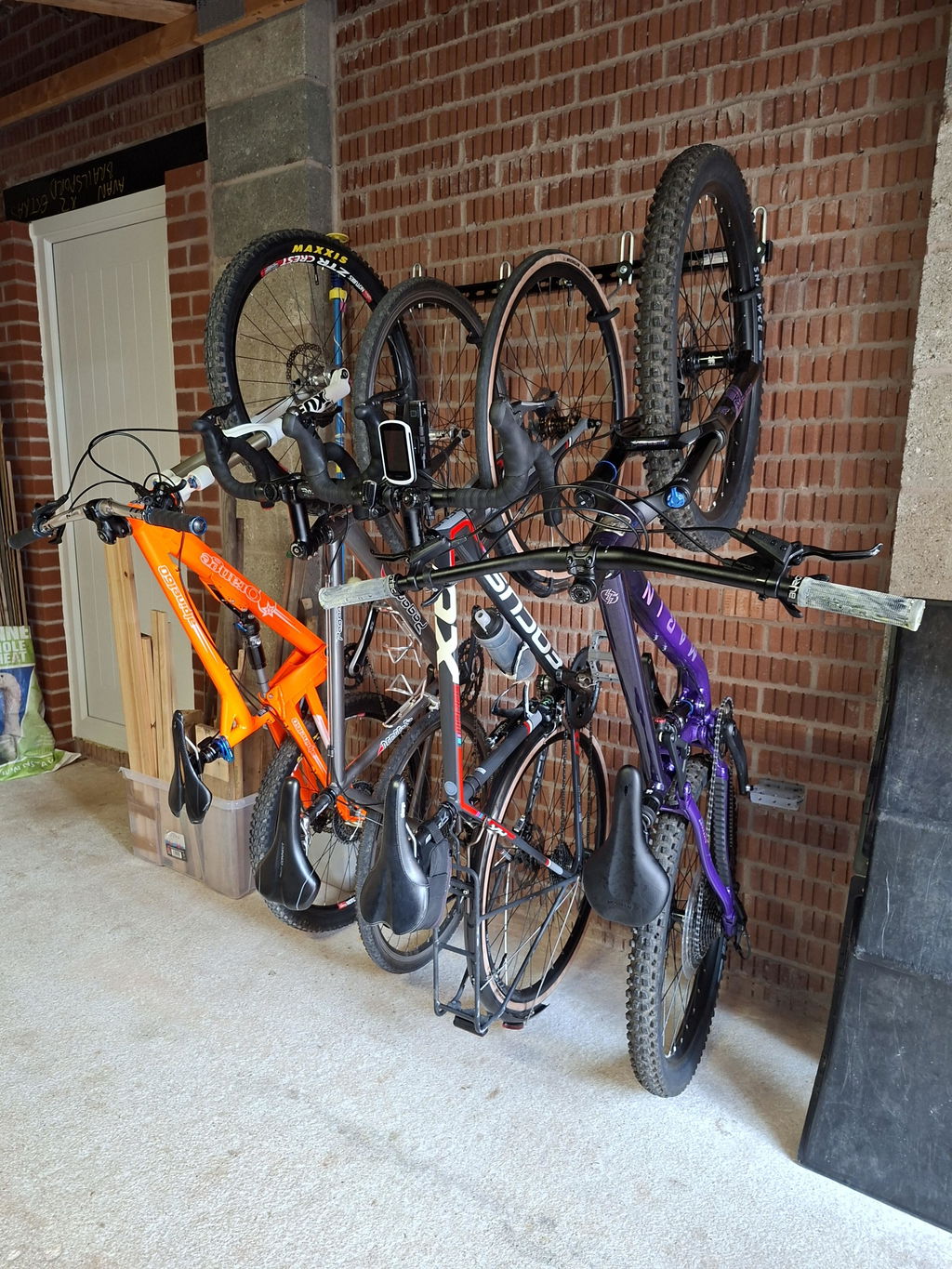
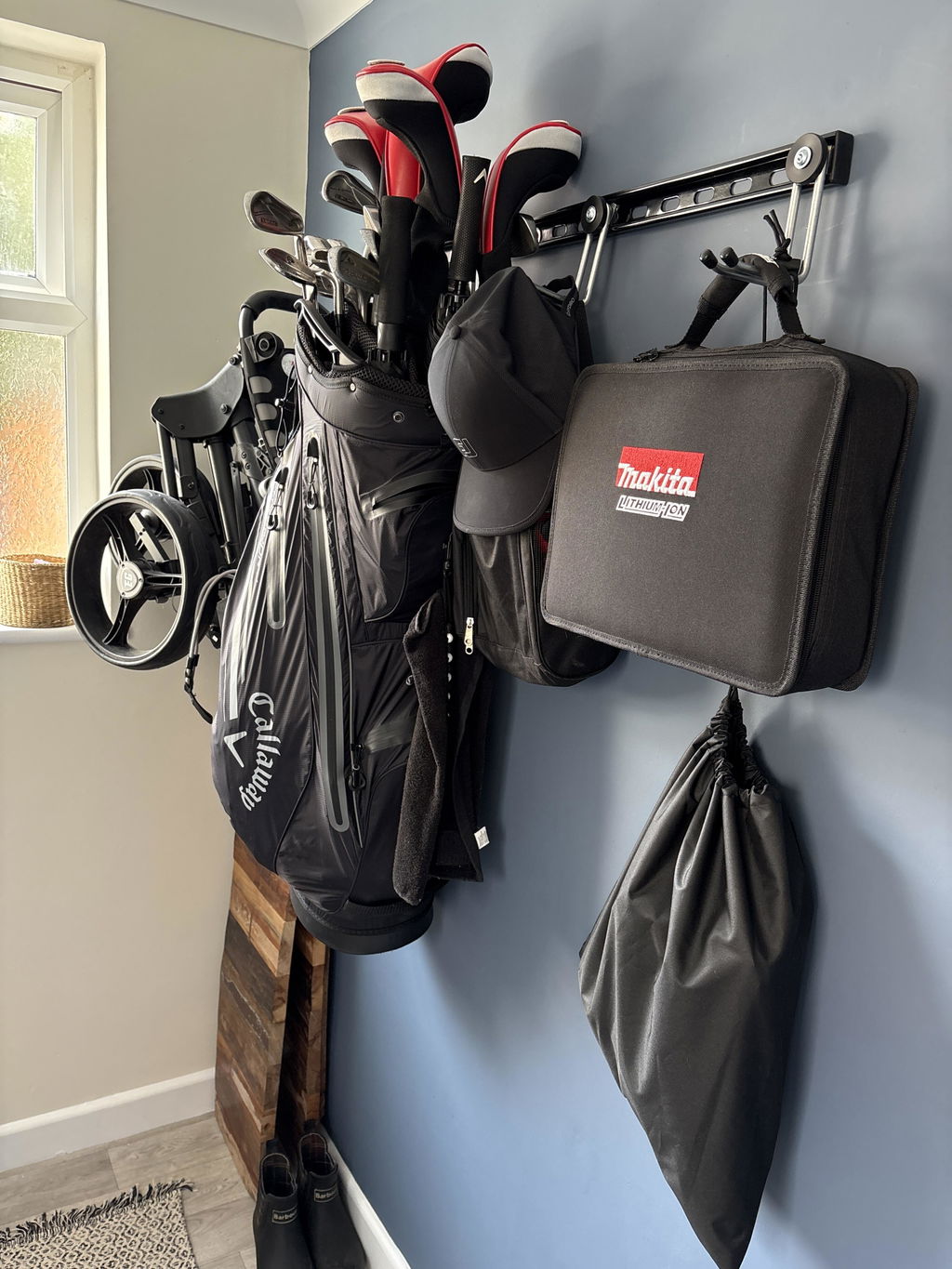
One of the most significant benefits of hanging tools is the ability to use vertical space effectively. Many garages and sheds have ample wall space that often goes underutilized. Hanging racks, hooks, or pegboards allow you to free up floor space and keep your tools within easy reach.
Enhanced Visibility and Accessibility
When tools are hung, they are typically displayed at eye level. This arrangement allows you to easily see what you have at a glance. You won't need to rummage through piles of equipment to find that trowel or pruning shear. This accessibility can save time and enhance your gardening efficiency.
Preventing Damage
Hanging tools can prevent rust, rot, and damage caused by soil or moisture when they are placed on the ground. Storing tools off the floor keeps them dry and safe from possible accidents, such as being tripped over or knocked down.
The Cons of Hanging Garden Tools
However, hanging tools come with some drawbacks. Consider the following cons before deciding if this method is right for you:
Limited Storage Capacity
While hanging can be effective, it often limits the number of tools you can store, especially if you have a large collection. You may need a designated wall space to hang everything, and fitting tools in compact spaces may not be practical.
Permanent Fixtures
Once you mount racks or hooks on a wall, they are generally permanent fixtures. If you decide to rearrange your garage or shed, moving these installations may require patching and painting. This can be time-consuming and may not be ideal for everyone.
Diving Into Shelving Solutions
Shelving is another popular choice for outdoor tool organization, allowing for better organization of various garden tools and supplies. Let's explore the pros and cons of this method.
Pros of Using Shelves
Utilizing shelves for garden tools offers various advantages that can enhance your organization strategies.
Flexible Storage Options
Shelving allows for versatile storage solutions. You can choose different shelf heights and widths based on the tools you own. This flexibility enables you to create multiple tiers, accommodating various tool sizes, from smaller hand tools to larger implements.
Ease of Access and Organization
With shelves, you can organize your tools based on frequency of use or type. For example, placing everyday tools on the top shelf and seasonal equipment on the bottom creates an efficient system that reduces hassle and frustration.
Cons of Using Shelves
Despite the benefits, using shelving for outdoor tool organization has its limitations:
Requirement of Floor Space
Shelves take up floor space, which can be a crucial drawback for smaller sheds or garages. You may find that your valuable space quickly gets consumed by freestanding shelving units, potentially leading to clutter.
Potential for Overcrowding
It can be easy to overcrowd shelves if you’re not careful. Storing too many tools on a shelf can lead to disorganization over time, impacting the system’s efficiency. Additionally, overcrowding can make it difficult to find the tools you need quickly.
Analyzing the Best Method for Your Garden Tools
So, what is the best way to store garden tools? The answer largely depends on your individual needs, preferences, and available space. Below are some scenarios to help you decide either hanging or shelving might suit you best:
Consider Your Space
Your available space is a crucial factor in deciding between hanging and shelving. If you have limited floor space, hanging may be the better choice. Conversely, if you have ample room, shelves can provide significant organizational benefits.
Assess Tool Quantity and Variety
Take stock of the number and types of tools you own. If your collection is extensive and varied, a combination of both hanging and shelving might be the best approach. This way, you can maximize space and accessibility without compromising organization.
Frequency of Use
Consider how often you use your tools. If you frequently reach for a handful of tools, hanging them may offer faster access. For less frequently used tools, shelving can provide a suitable storage solution without wasting valuable hanging space.
Combining Hanging and Shelving Methods
In many cases, the best strategy for outdoor tool organization combines both hanging and shelving. By strategically placing a few hooks on a wall for frequently used items like pruners or garden gloves and reserving shelving for larger, less-used tools, you can create a versatile storage area that caters to all your gardening needs.
Practical Tips for Effective Tool Organization
Whether you decide to hang your tools, use shelves, or merge both strategies, some practical tips can help you maintain an efficient outdoor tool organization system:
Regular Maintenance
Keep your storage system tidy by regularly reviewing and assessing its efficiency. Reorganizing can prevent clutter while ensuring that you continue to have easy access to all your tools.
Safety First
Always ensure that your hanging tools are securely mounted to avoid accidents. If using shelves, choose robust units that can withstand the weight of your tools and don’t compromise safety for aesthetics.
Labeling Your Tools
Using labels can enhance organization, especially with shelving systems. Identify the contents of each shelf, making it easier to locate specific tools when needed.
Final Thoughts: Crafting Your Garden Tool Oasis
Deciding between hanging and shelving for your garden tools ultimately boils down to personal preference, available space, and tool usage. By weighing the pros and cons of each method and perhaps combining the two, you can create an effective outdoor tool organization system. This organization will not just save you time but can also enhance the enjoyment of your time spent in the garden. Embrace your garden tool oasis and make the most out of every gardening day!
Frequently Asked Questions
1. What is outdoor tool organization?
2. What are the benefits of hanging garden tools?
3. What are the downsides of using hanging tools?
4. What are the advantages of using shelves for garden tools?
5. How can I maintain an effective outdoor tool organization system?
Linked Product

Garden Tool Hooks Rack - heavy duty storage for 30+ garden tools
The Garden Tool Hooks Rack is designed to accommodate over 30 garden tools while maximizing vertical space, making it an ideal solution for those with limited storage. Its heavy-duty construction allows for the secure storage of various tools, including larger items like chainsaws and hedge trimmers. This rack provides an organized way to keep your gardening tools easily accessible and neatly arranged.
View ProductKey Takeaways
- Maximize Vertical Space: Use hanging tools to effectively utilize wall space and free up floor area.
- Enhance Visibility: Hanging tools allows for easy visibility and quick access, saving time during gardening tasks.
- Flexible Storage with Shelves: Shelving offers customizable heights and widths, accommodating various tool sizes.
- Organize by Frequency: Shelves allow you to categorize tools based on how often you use them, improving accessibility.
- Consider Space Limitations: Choose hanging for limited floor space and shelving for larger areas to avoid clutter.
- Combine Methods: Use a mix of hanging and shelving to optimize space and organization based on tool usage.
- Regular Maintenance: Keep your organization system tidy by routinely assessing and reorganizing your tools.
Glossary
| Term | Meaning |
|---|---|
| Outdoor Tool Organization | Strategies for storing gardening tools efficiently. |
| Hanging Tools | Storing tools on walls using hooks or racks. |
| Shelving | Using shelves to store tools in an organized manner. |
| Vertical Space | Utilizing wall height to maximize storage. |
| Accessibility | Ease of reaching and using tools when needed. |
| Overcrowding | Excessive tools on shelves leading to disorganization. |
| Maintenance | Regularly checking and organizing your tool storage. |
| Labeling | Identifying tools or shelves to improve organization. |
| Floor Space | Ground area occupied by storage solutions. |
| Tool Lifespan | The duration tools remain functional and effective. |