
Stuck in a Gear Storage Slump? 5 Ways to Organize Used Instruments in 2026
Key Takeaways
- Modular wall rails solve the space anxiety associated with the 2026 used gear market.
- Industrial-grade steel rails support up to 100kg, making them safer than individual DIY hooks.
- A horizontal or vertical layout can be achieved without drilling new holes once the rail is fixed.
- Balancing solo collection aesthetics with band-wide gear sharing is effortless with color-coded rails.
Table of Contents
- The 2026 Used Gear Slump and Modular Solutions
- How to Mount Guitar on Wall for Maximum Weight Capacity
- How to Mount a Guitar on the Wall Horizontally vs. Vertically
- Solo Collector Sanctuaries vs. Band-Wide Modular Storage
- Debunking the DIY Guitar Hanger Rope Myth in 2026
- 5 Creative Ways to Organize Used Instruments This Year
Are you feeling the weight of a growing collection? In 2026, the secondary music market has exploded, but many musicians find themselves in a "gear storage slump," hesitant to buy that dream vintage bass because there is simply nowhere to put it. Learning how to mount guitar on wall setups properly is no longer just about aesthetics; it is about reclaiming your creative floor space. By shifting from floor stands to high-capacity wall rails, you can transform a cluttered spare room into a professional-grade gallery.

The 2026 Used Gear Slump and Modular Solutions
The current "Used Gear Slump" isn't a lack of instruments; it's a lack of spatial efficiency. Musicians in 2026 are increasingly looking for ways to display their finds without turning their homes into obstacle courses. According to recent industrial design trends documented by Wikipedia, modularity is the primary solution for urban living spaces. When you understand how to mount guitar on wall units using a rail system, you move away from static, single-point hangers that limit your growth.
The Flexibility of a 1 Metre Gear Rail
A standard 1-metre gear rail provides the ultimate foundation. Unlike individual hooks, a rail allows you to slide instruments left or right as your collection changes. If you are just starting out, you can see The Beginner’s Guide to Instrument Wall Rails: What You Actually Need in 2026 to understand the basic components required for a secure setup.
Color-Coding for Better Organization
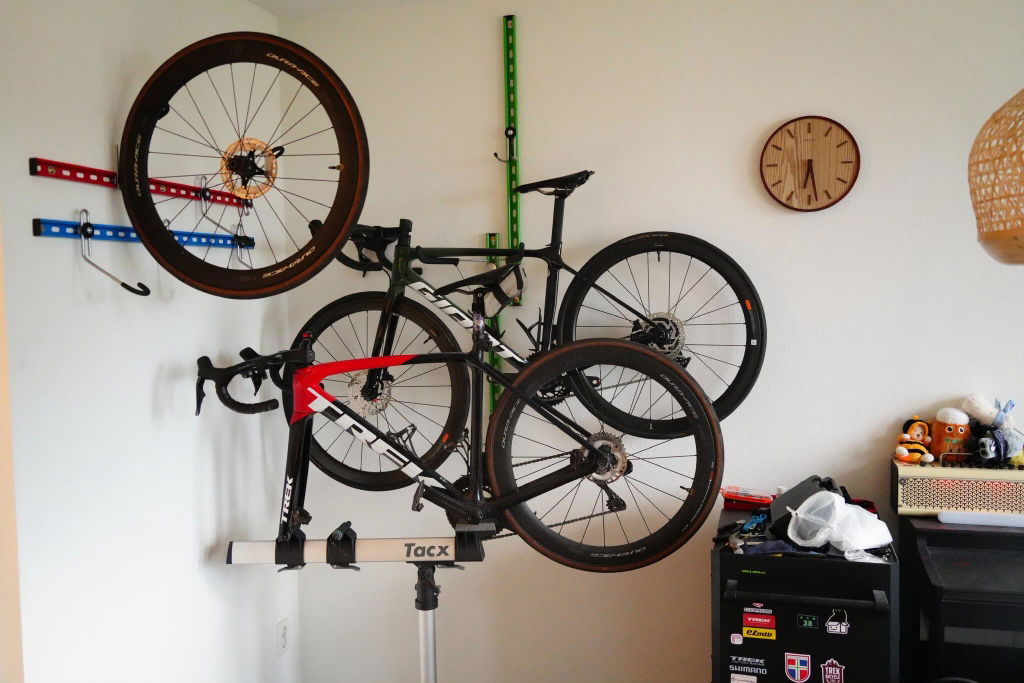
With 8 different colors available—ranging from industrial grey to vibrant orange—you can categorize your gear. Use red rails for your "active" gigging instruments and black rails for your long-term vintage investments. This visual system reduces the time spent searching for the right tool for the job.
Stop letting floor space limit your collection. Build your custom rail today.
Browse 8 Color Options →How to Mount Guitar on Wall for Maximum Weight Capacity
When dealing with heavy used instruments, safety is paramount. A 100kg capacity storage solution ensures that even the heaviest 1970s mahogany solid-bodies won't budge. Research from the NIST regarding fastener shear strength suggests that spreading the load across multiple fixing points is safer than single-point anchors. This is precisely why a how to mount guitar on wall guide should prioritize a steel rail with at least 20 fixing slots.
Industrial Strength Fixings
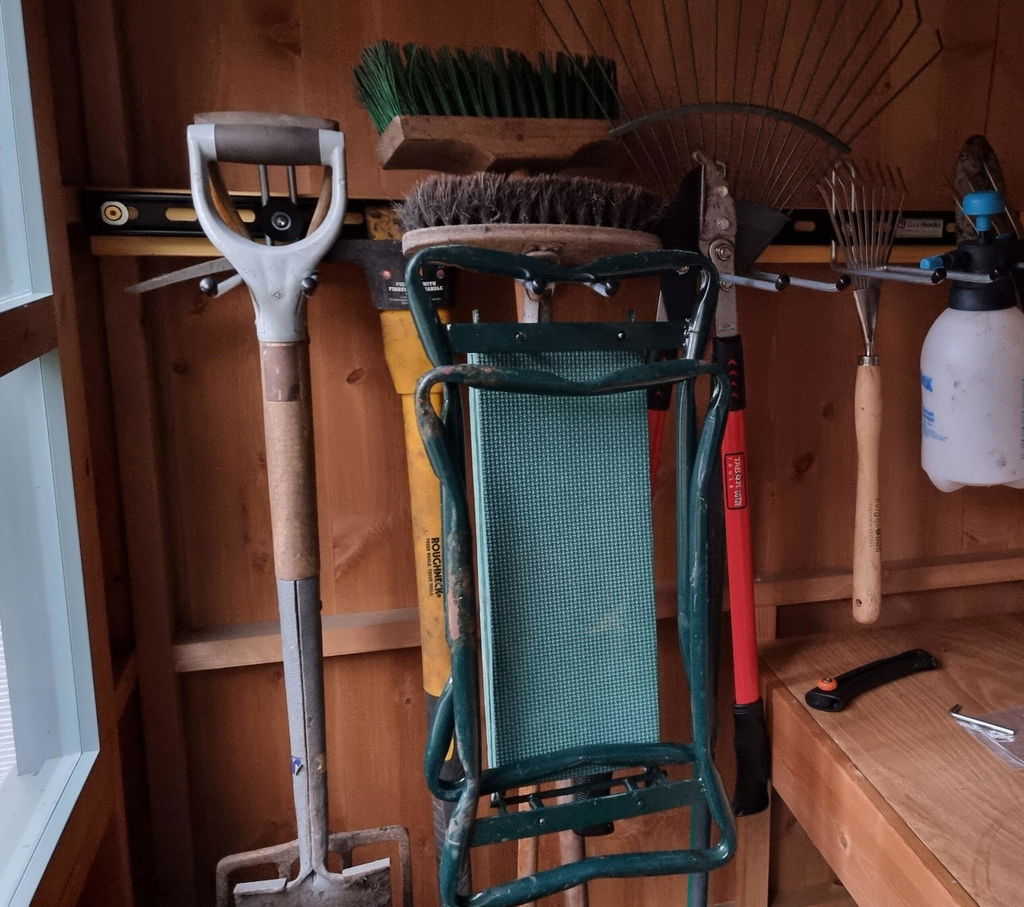
Whether you have brick, stone, or plasterboard battens, using hex head wall bolts is essential. The GearHooks® system utilizes expanding nylon fixings that provide a permanent, rock-solid grip. This eliminates the common fear that a heavy instrument will pull a hook right out of the drywall.
Easy 10-Minute Installation
You don't need a degree in engineering to learn how to mount guitar on wall rails. With just three holes, the rail is secured. From there, you can add hooks for guitars, ukuleles, or even cables without ever touching a drill again. For a detailed walkthrough, check out Mastering the Multi-Guitar Wall Display: A Step-by-Step Guide for 2026.
How to Mount a Guitar on the Wall Horizontally vs. Vertically
Space optimization often requires thinking outside the box. If you have high ceilings, vertical storage is king. However, in many home studios, horizontal mounting is the better choice for filling dead space above sofas or desks. Knowing how to mount guitar on wall systems horizontally allows for a dramatic, "floating" aesthetic that protects the neck from long-term stress.
Saving Space with Sideways Hangers
By using specific hooks on a modular rail, you can angle your guitars. This "V-shape" or side-mounting technique allows you to fit 5 instruments in the space normally occupied by 3. This is a game-changer for those buying used gear in 2026 who are running out of wall real estate.
Displaying Your Instrument’s Best Angle
Used instruments often have beautiful wear patterns or unique finishes. Horizontal mounting highlights the body of the instrument, turning your storage into a museum-quality display. It also makes the instrument easier to grab for a quick practice session. You can learn more about protecting these finishes in our post on 7 Ways to Prevent Instrument Damage with Budget Wall Racks in 2026.
Ready to expand your collection without the clutter? Grab a GearRail.
Shop Heavy Duty Rails →Solo Collector Sanctuaries vs. Band-Wide Modular Storage
In 2026, the way we collect gear is shifting. The 'Solo Collector' builds a private sanctuary, where how to mount guitar on wall layouts are about personal inspiration. Conversely, the 'Group Gear-Sharing' approach involves bands or housemates pooling their used gear into a communal storage area. A modular rail system accommodates both by allowing for rapid reconfiguration as people move instruments in and out of the studio.
Debunking the DIY Guitar Hanger Rope Myth in 2026
While "DIY guitar hanger rope" is a popular search term, industrial experts at the BBC and other home improvement outlets warn against using non-rated materials for expensive electronics. Professional how to mount guitar on wall procedures require cold-rolled, galvanised steel. Why risk a £2,000 used Gibson on a £5 piece of rope? A powder-coated steel rail offers a lifetime guarantee that no DIY solution can match.
5 Creative Ways to Organize Used Instruments This Year
-
The Chronological Timeline: Mount your guitars in order of their manufacture date.
-
The Frequency of Use: Keep your 2026 daily players on a central rail and rare used finds on a higher, protective rail.
-
The Hybrid Rack: Use one rail for guitars and another for cables, pedals, and straps using custom hooks.
-
The Color Splash: Match your 1 metre gear rail color to the pickguard of your favorite used instrument.
-
The Performance Station: Set the rail height exactly at eye level for easy tuning and maintenance checks.
Get the professional studio look for under £50. Start your custom build.
Order Your GearRail Now →
Comparison: Rail Systems vs. Traditional Hooks
- The Chronological Timeline: Mount your guitars in order of their manufacture date.
- The Frequency of Use: Keep your 2026 daily players on a central rail and rare used finds on a higher, protective rail.
- The Hybrid Rack: Use one rail for guitars and another for cables, pedals, and straps using custom hooks.
- The Color Splash: Match your 1 metre gear rail color to the pickguard of your favorite used instrument.
- The Performance Station: Set the rail height exactly at eye level for easy tuning and maintenance checks.
Get the professional studio look for under £50. Start your custom build.
Order Your GearRail Now →Comparison: Rail Systems vs. Traditional Hooks
| Feature | Modular GearRail® | Standard Hanger |
|---|---|---|
| Weight Capacity | Up to 100kg | 5-10kg |
| Adjustability | Slide & Move (No holes) | Fixed Position |
| Installation | 3 Holes per 1M | 2-3 Holes per Guitar |
| Customization | 8 Colors + Multi-Gear | Limited |
Frequently Asked Questions
Can I hang my guitar on drywall?
Can I hang my guitar on drywall?
Yes, you can hang a guitar on drywall, but it requires the right hardware. Using heavy-duty hex bolts into wooden battens behind the plasterboard is the safest method. A modular rail system is ideal for drywall because it distributes the weight of multiple instruments across several studs rather than putting all the stress on one small point.
How can I make a DIY guitar holder for my wall?
While you can create a holder using wood blocks or rope, these often lack the durability needed for long-term storage. For a professional DIY approach, it is better to purchase a pre-engineered steel rail and then customize the hook layout yourself. This gives you the "built-it-yourself" satisfaction with industrial-grade safety and a 100kg weight rating.
Is it better to hang or stand a guitar?
Hanging a guitar is generally superior for space management and safety in busy environments. Floor stands are easily knocked over and take up valuable square footage. Hanging your instrument on the wall keeps it away from pets, vacuums, and foot traffic while keeping it perfectly accessible for practice.
How high should I hang my guitar on the wall?
The ideal height is usually at chest level (approximately 1.5 to 1.7 metres from the floor) for easy access. However, if you are using the rail for display purposes in a high-ceiling room, you can mount it higher. Always ensure you can reach the instrument comfortably without needing a ladder, unless it is a permanent display piece.
Top 5 Industry Problems GearHooks Solves
-
The "Drilling Fatigue": No more drilling new holes every time you buy a new used guitar.
-
The Weight Limit Anxiety: 100kg capacity means you never worry about your gear falling.
-
The Cluttered Studio: Clears floor space for amps, pedals, and movement.
-
Instrument Protection: Galvanised steel and soft-touch hooks prevent scratches and structural damage.
-
Aesthetic Mismatch: 8 color options allow the storage to match your room's decor perfectly.
Conclusion
- The "Drilling Fatigue": No more drilling new holes every time you buy a new used guitar.
- The Weight Limit Anxiety: 100kg capacity means you never worry about your gear falling.
- The Cluttered Studio: Clears floor space for amps, pedals, and movement.
- Instrument Protection: Galvanised steel and soft-touch hooks prevent scratches and structural damage.
- Aesthetic Mismatch: 8 color options allow the storage to match your room's decor perfectly.
Conclusion
Understanding how to mount guitar on wall systems effectively is the key to ending your 2026 gear storage slump. By investing in a modular, heavy-duty rail, you aren't just buying a hook—you are buying the freedom to expand your used instrument collection without limits. Whether you are a solo collector or a band-wide gear sharer, GearHooks® provides the industrial strength and aesthetic flexibility to keep your instruments safe, accessible, and beautifully displayed for years to come.

🛍️ Part of a Collection
Guitar wall mounts | Hooks & Racks | GearHooks
Discover all products in this collection
View Full Collection →