
Involve Kids in Garden Tool Organization Fun!
Overview
Involving kids in organizing garden tools promotes responsibility, teamwork, and a love for nature while making gardening more enjoyable. Effective storage methods and fun activities like color-coding, gamifying the process, and creating custom holders enhance the experience. Regular maintenance and education about gardening can foster lifelong skills and create lasting memories, making it a rewarding family project.
Table of Contents
- Understanding the Benefits of Gardening Together
- Getting Started with Tool Organization
- Assess Your Gardening Space
- What is the Best Way to Store Garden Tools?
- Creating a Fun Organization System
- Color-Coding and Labeling
- Gamifying the Process
- Integrating Routine Maintenance
- Establish a Garden Tool Day
- Regular Collaborations
- The Right Tools for Kids
- Kid-Friendly Tools
- Crafting Garden Tool Holders Together
- Educational Aspects of Gardening
- Teach the Science Behind Gardening
- Encouraging Critical Thinking
- The Long-Term Impact of Gardening Together
- Creating Lasting Memories
- Ready to Transform Your Garden Space?
Sometimes, a garden can become a chaotic space, much like childhood itself! A jumble of garden tools scattered around can lead to frustration and a lack of motivation. Organizing those tools not only makes gardening more efficient but can also serve as an enjoyable family activity. Involving kids in garden tool organization can instill responsibility, teamwork, and an appreciation for nature while making it a memorable experience.
Understanding the Benefits of Gardening Together
Before diving into the best ways to involve your kids in garden tool organization, let's first explore why it’s important:
- Promotes Responsibility: Organizing tools teaches kids about taking care of their belongings.
- Encourages Teamwork: Working together enhances communication and collaboration skills.
- Fosters a Love for Nature: Connecting children with nature lays the groundwork for a lifelong appreciation.
- Boosts Physical Activity: Gardening is a wonderful way to get kids moving and enjoying the outdoors.
Getting Started with Tool Organization
Assess Your Gardening Space
Before you can figure out how to involve your kids, take the time to assess your gardening space. Consider the following:
- The type of garden tools you have
- The available space for storage
- Safety concerns, especially for younger children
- The frequency and ease of access needed for daily gardening activities
What is the Best Way to Store Garden Tools?
Having a well-organized space for your garden tools can make a world of difference. When planning how to store them, consider these effective methods:
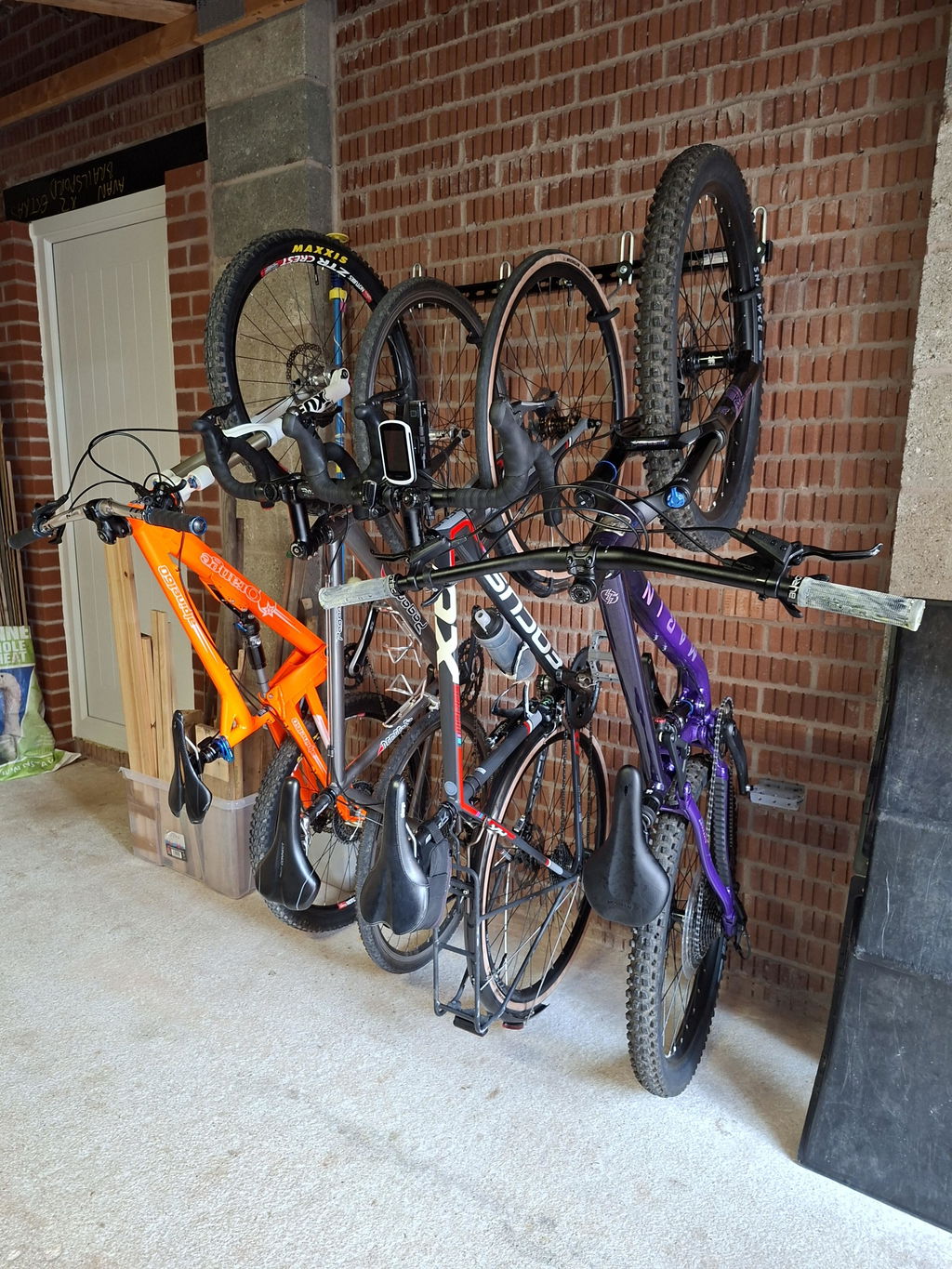
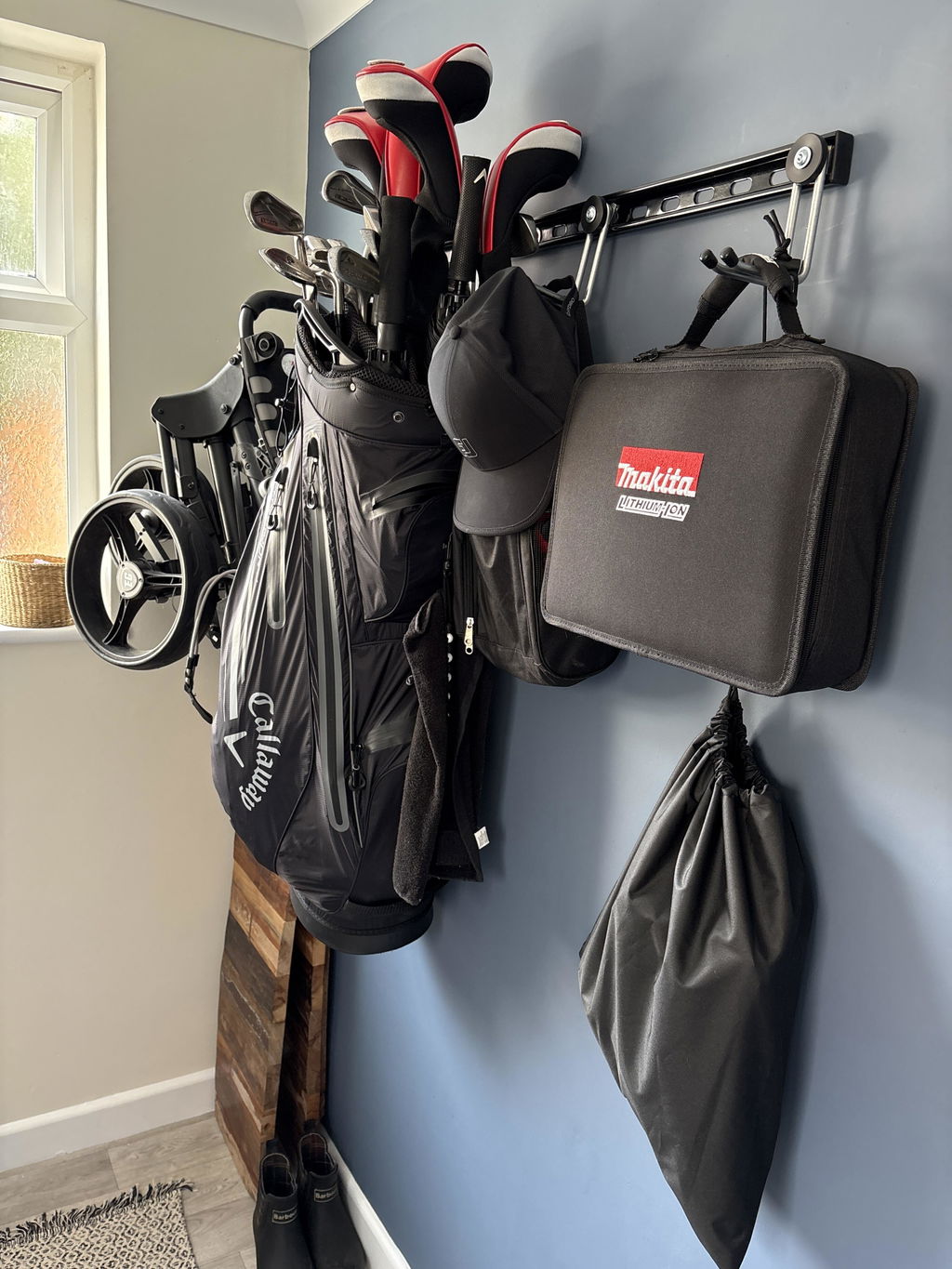
- Professional Garden Tool Hooks: Specialized hooks are a fantastic option for hanging tools securely on walls. This keeps them off the ground, makes it easy to see what you have, and allows children to take part in hanging their tools back after use.
- Toolboxes and Bins: Using labeled bins and boxes creates designated spaces for different tools. Kids can learn to put tools back into their “homes” after use.
- Magnetic Strips: A creative way to store smaller tools like scissors or clippers is with magnetic strips. Kids will find it engaging to see how tools stick and stay organized on the strip.
- Vertical Racks: For larger tools such as shovels and rakes, vertical racks can help to save space while also visually appealing. Encourage your kids to sort and place the tools into their respective spots.
Creating a Fun Organization System
Color-Coding and Labeling
Transforming the organizational process into a playful activity can stoke your children's interest. Consider using color-coded labels for different types of tools. This allows children to quickly identify where each tool goes. For instance, green can signify shovels, yellow for rakes, and blue for pruning tools. Additionally, you could use fun stickers to make the experience more enjoyable.
Gamifying the Process
To engage children more deeply, consider setting up a game or scavenger hunt. Give them a list of garden tools to find and return to their designated spots. You could establish a points system for each item returned correctly, rewarding them with small incentives such as extra playtime or a fun treat. The energetic movement added with a fun challenge makes organizing tools feel less like a chore and more like an adventure!
Integrating Routine Maintenance
Establish a Garden Tool Day
Choose a specific day each month to revisit the organization of your tools. During this day, everyone in the family can reflect on how well they’ve maintained the system and discuss any challenges they faced. This also serves as a great opportunity to teach children the importance of maintaining order over time. If they find a tool that isn’t functioning properly or seems too worn out, address it together. This backs up the notion of gardening as a shared responsibility.
Regular Collaborations
Instead of delegating tasks, make it a family project. Bring kids in for regular inspections or mid-season cleanups of your tools. This is an excellent chance to teach them about each tool's functions, thereby increasing their gardening knowledge. Encourage them to ask questions and participate in discussions about what they like or dislike about the organization system.
The Right Tools for Kids
Kid-Friendly Tools
To facilitate their involvement in garden tool organization, ensure that your kids have access to tools that are appropriate for their size and strength. Investing in kid-sized garden tools can make a world of difference, encouraging them to handle equipment safely and confidently. These tools are often lighter and designed with easy grips, making the gardening experience enjoyable.
Crafting Garden Tool Holders Together
Why not take the time to create custom holders together? Using materials like painted PVC pipes, wooden crates, or even repurposed items like hanging shoe organizers can introduce a crafty angle to your organizational project. The creative process of building tool holders instills teamwork and allows kids to express their personalities. They will love having a tool holder that is uniquely theirs!
Educational Aspects of Gardening
Teach the Science Behind Gardening
Gardening is not just about plants—it’s a wealth of knowledge waiting to be explored! Use your time spent organizing tools to also engage children in the science of gardening. Explain how tools are essential for growing healthy plants, and share interesting facts about each tool and its purpose. This can turn your project into a multi-faceted learning experience.
Encouraging Critical Thinking
While organizing, ask open-ended questions to stimulate your child's critical thinking. For example, ask them why they think we need to keep tools organized. Discussing concepts like efficiency and safety can also be enlightening and beneficial. Solutions may come from the children themselves, fostering a sense of ownership in maintaining an organized workspace.
The Long-Term Impact of Gardening Together
Involving kids in garden tool organization is not only a way to maintain a tidy space; it plays a fundamental role in their lifelong growth. It builds countless skills such as responsibility, teamwork, and problem-solving, all while igniting a passion for gardening and caring for the environment.
Creating Lasting Memories
Amidst the organization, take moments to enjoy each other’s company. Share laughter, snack breaks, and small talks to create lasting memories. These experiences will remind your children that while the garden is a space for chores, it’s also a space for joy and connection. Engaging together in tasks like these will nurture an emotional bond between caregiving, learning, and fun.
Ready to Transform Your Garden Space?
Involving kids in garden tool organization is a rewarding journey full of opportunities for teaching and learning. By fostering a delightful and engaging environment, you’ll cultivate a sense of responsibility and teamwork. So gather those tools, fuel your children's curiosity, and watch as they bloom both in the garden and in life!
Frequently Asked Questions
1. Why should I involve my kids in garden tool organization?
2. What is the best way to store garden tools?
3. How can I make organizing tools a fun activity for my kids?
4. What are kid-friendly tools and why are they important?
5. How does gardening together benefit my relationship with my children?
Linked Product

Garden Tool Hooks Rack - heavy duty storage for 30+ garden tools
The Garden Tool Hooks Rack is designed to efficiently store over 30 garden tools, maximizing vertical space while keeping your tools easily accessible. Its heavy-duty construction allows for the storage of various tools, from small hand trowels to heavy items like sledgehammers, all on a single 1-meter long rail. With adjustable hooks and a simple installation process, this rack is ideal for anyone looking to organize their gardening tools in sheds or garages.
View ProductKey Takeaways
- Promotes Responsibility: Teaching kids to organize tools helps them learn to take care of their belongings.
- Encourages Teamwork: Working together on garden tasks enhances communication and collaboration skills.
- Boosts Physical Activity: Gardening activities get kids moving and enjoying the outdoors.
- Gamifies Learning: Incorporating games or scavenger hunts makes tool organization fun and engaging.
- Establishes Routine Maintenance: Regularly scheduled tool organization days foster ongoing responsibility and teamwork.
- Encourages Critical Thinking: Asking open-ended questions during organization stimulates children's problem-solving skills.
- Creates Lasting Memories: Enjoying the process together builds emotional bonds and joyful experiences in the garden.
Glossary
| Term | Meaning |
|---|---|
| Garden Tools | Equipment used for gardening tasks. |
| Tool Organization | Arranging tools in a systematic way for easy access. |
| Responsibility | Understanding the importance of taking care of one's belongings. |
| Teamwork | Collaborating with others to achieve a common goal. |
| Color-Coding | Using colors to categorize and identify items easily. |
| Gamifying | Turning tasks into games to make them more engaging. |
| Kid-Friendly Tools | Gardening tools designed for children's size and strength. |
| Routine Maintenance | Regularly checking and organizing tools to keep order. |
| Crafting Holders | Creating storage solutions for tools using various materials. |
| Critical Thinking | Encouraging thoughtful discussion and problem-solving. |