
Mastering Tool Organization: Categorize Like a Pro
Overview
Organizing your tools enhances efficiency and safety. Follow these steps: gather and clean your tools, sort them by function, choose appropriate storage solutions, and maintain the organization regularly. Implement a clear return policy and educate others sharing the space. With proper organization, you'll save time and improve your workspace.
Table of Contents
- Understanding the Importance of Tool Organization
- Step-by-Step Process to Organize Your Tools by Category
- 1. Gather Your Tools
- 2. Clean and Inspect
- 3. Sort By Function
- 4. Choose Your Storage Solutions
- 5. Assembling Your Tools in Storage
- Maintaining Your Organized Tool Space
- Regularly Sort and Assess
- Implement a Clear Return Policy
- Educate Family Members or Co-Workers
- Additional Tips for Different Types of Tools
- Hand Tools
- Power Tools
- Gardening Tools
- The Takeaway: A Space That Works for You
Are you tired of rummaging through a disorganized toolbox or shed every time you need a tool? If so, you're not alone. Many homeowners and DIY enthusiasts struggle with keeping their tools tidy. However, with a little planning and the right storage solutions, you can create a well-organized space that saves you time and enhances productivity. In this article, we’ll explore effective ways to organize your tools by category, ensuring that everything has its place.
Understanding the Importance of Tool Organization
Organizing your tools isn’t just about aesthetics; it also promotes efficiency and safety. When you have a structured tool organization system in place, you can:
- Quickly locate the tools you need for any task.
- Reduce the risk of injury by keeping tools stored safely.
- Extend the lifespan of your tools by storing them properly.
- Enhance your workspace, making it more enjoyable to work in.
Now, let’s dive into effective strategies to categorize and organize your tools to optimize your garage or workshop.
Step-by-Step Process to Organize Your Tools by Category
Organizing tools by category involves a systematic approach. Follow these steps, and you’ll have an efficient tool organization system in no time!
1. Gather Your Tools
Before you can categorize your tools, you first need to gather them all in one place. Whether they’re in the garage, shed, or a toolbox, bring everything out into a clear space where you can see what you have. This will help you understand the volume and types of tools that need organizing.
2. Clean and Inspect
As you gather your tools, take the time to clean them. Remove any dirt, grease, or rust so that they all function optimally. Additionally, inspect each tool to ensure it is in working order. Discard or repair any tools that are damaged or no longer usable. This cleaning process will make your categorized setup more effective.
3. Sort By Function
Once you have your tools cleaned and inspected, start sorting them by their function. Here are some common categories you might consider:
- Hand Tools: Hammers, screwdrivers, wrenches, pliers
- Power Tools: Drills, saws, sanders, grinders
- Gardening Tools: Shovels, rakes, pruning shears
- Measuring Tools: Rulers, tape measures, levels
- Fasteners: Screws, nails, bolts, nuts
Sorting your tools globally into these essential categories helps maintain clarity and makes them easy to locate.
4. Choose Your Storage Solutions
Once you’ve categorized your tools, it’s time to select the appropriate storage solutions that will best serve your needs. Here are a few effective options:
- Toolboxes: For portable needs and easy transport.
- Tool Chests: Perfect for a complete, organized storage in one unit.
- Garage Wall Storage Racks: These are excellent for maximizing vertical space while keeping tools easy to access.
- Shelves and Cabinets: Ideal for heavy tools and larger equipment, adding both organization and protection.
- Garden Tool Hooks: A specialized tool to keep your gardening equipment off the ground and handy.
Choosing the right storage solution is paramount in ensuring your tools stay organized over time.
5. Assembling Your Tools in Storage
With your storage solutions on hand, start placing your tools in their designated spots. Here are some tips for effective arrangement:
- Place the most-used tools at eye level for quick access.
- Use clear labels on boxes, drawers, or storage units to identify where each category is stored.
- Ensure that heavier tools are stored lower to the ground to prevent accidents.
- Use pegboards or wall racks for hand tools—this not only saves space but also keeps everything visible.
- Consider the use of bins or baskets for smaller items to avoid clutter.
As you start organizing, you may find that certain tools need to be adjusted based on how frequently you use them. Feel free to modify your arrangement for maximum efficiency.
Maintaining Your Organized Tool Space
Creating an organized tool space doesn’t stop at just sorting and arranging; it requires ongoing maintenance. Here are key practices to help keep your tools organized long-term:
Regularly Sort and Assess
Take time every few months to sort through your tools again. During this time, you can assess whether your storage solutions are still serving you well, and if there are any new tools that need to be added or old ones that can be removed. Staying proactive about tool organization will save you time and headaches down the line.
Implement a Clear Return Policy
Make it a habit to return tools to their designated spots immediately after use. This habit will ensure that your organizational system remains intact. You could even create a checklist or use a chart to remind everyone in the household about the importance of returning tools.
Educate Family Members or Co-Workers
If you share your workshop or garage with others, take the time to educate them about your organizational system. It’s crucial for everyone to understand the categories and how tools should be returned after use. This shared knowledge promotes accountability and keeps the space organized.
Additional Tips for Different Types of Tools
While the basics of tool organization remain consistent, certain tools may require special attention:
Hand Tools
Consider using magnetic strips for easy storage of small hand tools like screwdrivers and pliers. Magnetic strips save space and keep tools visible and accessible.
Power Tools
If you use multiple power tools, create a designated area for them with adequate storage racks. Ensure that there is enough space around each tool so they are not crammed together, thus ensuring safety and accessibility.
Gardening Tools
For gardening tools, garden tool hooks are an excellent way to hang items like shovels, hoses, and rakes. Storing them on the wall prevents rust and damage while allowing for easy retrieval.
The Takeaway: A Space That Works for You
Organizing your tools by category isn’t just a one-time endeavor; it’s an ongoing practice that can transform your workspace into a more efficient, safe, and enjoyable environment. Whether you own a garage wall storage rack, acrylic bins, or simple wall hooks, the key is to establish a system that works for you. With regular maintenance, clear organization, and a little creativity, you can keep your tools not only organized but also in excellent working condition. Implement these strategies today and experience a significant boost in productivity and peace of mind in your projects!
Frequently Asked Questions
1. Why is it important to organize tools?
2. What are the steps to organize tools by category?
3. What are effective storage solutions for tools?
4. How can I maintain my organized tool space?
5. What special attention do different types of tools require?
Linked Product

Garage Wall Storage Rack - Multi purpose garage wall storage
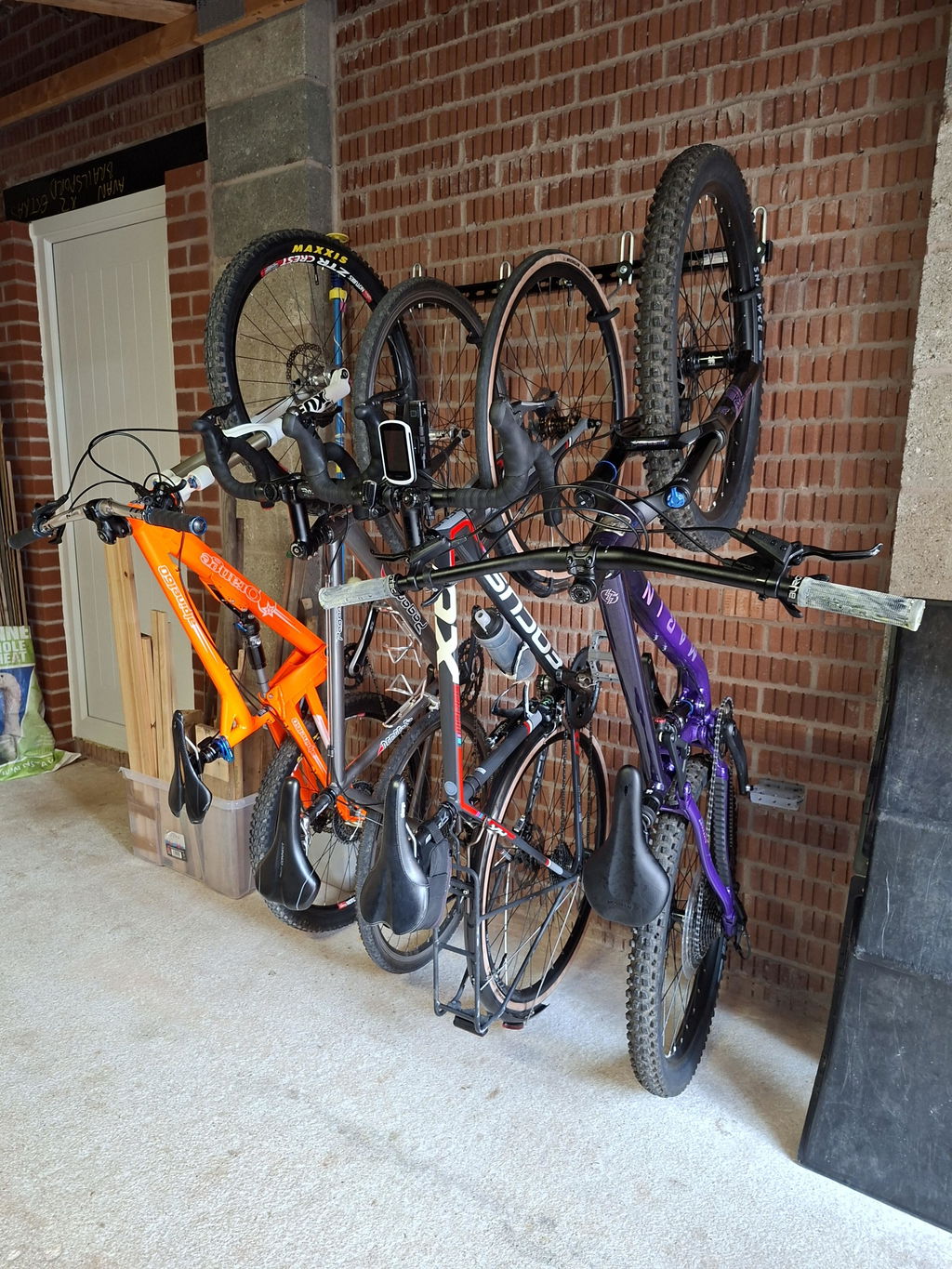
The Garage Wall Storage Rack is designed to maximize vertical space in your garage, allowing for efficient organization of various items such as bikes, sports equipment, and gardening tools. By utilizing wall space, it helps keep your garage floor clear for larger items, enhancing accessibility and safety. This multi-purpose rack accommodates a wide range of gear, making it a versatile solution for any organized garage.
View ProductKey Takeaways
- Gather all tools in one location to assess the volume and types you need to organize.
- Clean and inspect each tool to ensure they are in working order and discard any unusable items.
- Sort tools by function into categories like hand tools, power tools, gardening tools, measuring tools, and fasteners.
- Select appropriate storage solutions such as toolboxes, tool chests, wall racks, and cabinets to keep tools organized.
- Arrange tools for easy access by placing frequently used items at eye level and using clear labels for identification.
- Maintain organization by regularly sorting tools and implementing a clear return policy to ensure tools are returned after use.
- Educate others who share the space about the organizational system to promote accountability and keep the area tidy.
Glossary
| Term | Meaning |
|---|---|
| Tool Organization | Systematic arrangement of tools for easy access and safety. |
| Hand Tools | Manual tools like hammers and screwdrivers used for various tasks. |
| Power Tools | Electric or battery-operated tools like drills and saws for efficiency. |
| Storage Solutions | Methods or products used to store tools effectively. |
| Garage Wall Storage | Vertical storage systems for maximizing space and accessibility. |
| Sorting | Grouping tools by their function or type for better organization. |
| Maintenance | Regular upkeep to ensure tools and organization systems remain effective. |
| Labeling | Using tags or signs to identify storage locations for quick access. |
| Magnetic Strips | Storage solution for easy access to small metal hand tools. |
| Garden Tool Hooks | Wall-mounted hooks designed to hold gardening tools off the ground. |