
Top Tips to Prevent Tool Rust and Damage
Overview
Proper tool maintenance prevents rust and prolongs tool life. Key strategies include understanding rust causes, effective storage solutions (like hooks and airtight containers), regular cleaning, applying protective coatings, controlling humidity and temperature, routine inspections, and knowing when to seek professional help. Establish a maintenance schedule for ongoing care.
Table of Contents
- Understanding Tool Rust: Causes and Prevention
- Common Causes of Rust
- Effective Storage Solutions
- Utilize Garden Tool Hooks
- Airtight Containers
- Dedicated Tool Cabinets
- Regular Cleaning Techniques
- Post-Use Cleaning
- Deep Cleaning
- Rust Prevention Coatings
- Use of Oil
- Rust Inhibitors
- Temperature Control
- Climate-Controlled Storage
- Using Humidity Controllers
- Routine Inspections for Damage
- Spotting Rust Early
- Assessing For Other Damages
- Know When to Seek Professional Help
- Assessing Repair Needs
- Seek Guidance From Experts
- A Tool Maintenance Schedule for Longevity
- Monthly Maintenance
- Seasonal Maintenance
- The Last Word on Tool Protection
Keeping your tools in excellent condition goes beyond just occasional cleaning; it requires a systematic approach to prevent rust and damage. Whether you're a professional gardener or a DIY enthusiast, effective strategies for maintaining your tools are essential for their longevity and performance. In this article, we’ll explore why tools rust and provide you with proven tactics to keep them in pristine shape.
Understanding Tool Rust: Causes and Prevention
Rust is the result of oxidation, a chemical reaction that occurs when metal is exposed to moisture, oxygen, and certain environmental conditions. Understanding the causes of rust can help you take preventive measures.
Common Causes of Rust
- Moisture: Water exposure is the primary culprit behind rust formation.
- Humidity: High humidity levels increase the risk of rusting.
- Poor storage: Storing tools improperly can lead to quick deterioration.
- Soil and debris: Leaving dirt or plant remnants on tools can accelerate corrosion.
Effective Storage Solutions
What is the best way to store garden tools? Your storage solutions play a vital role in preventing rust and sustaining your tools’ integrity. Here are some effective methods:
Utilize Garden Tool Hooks
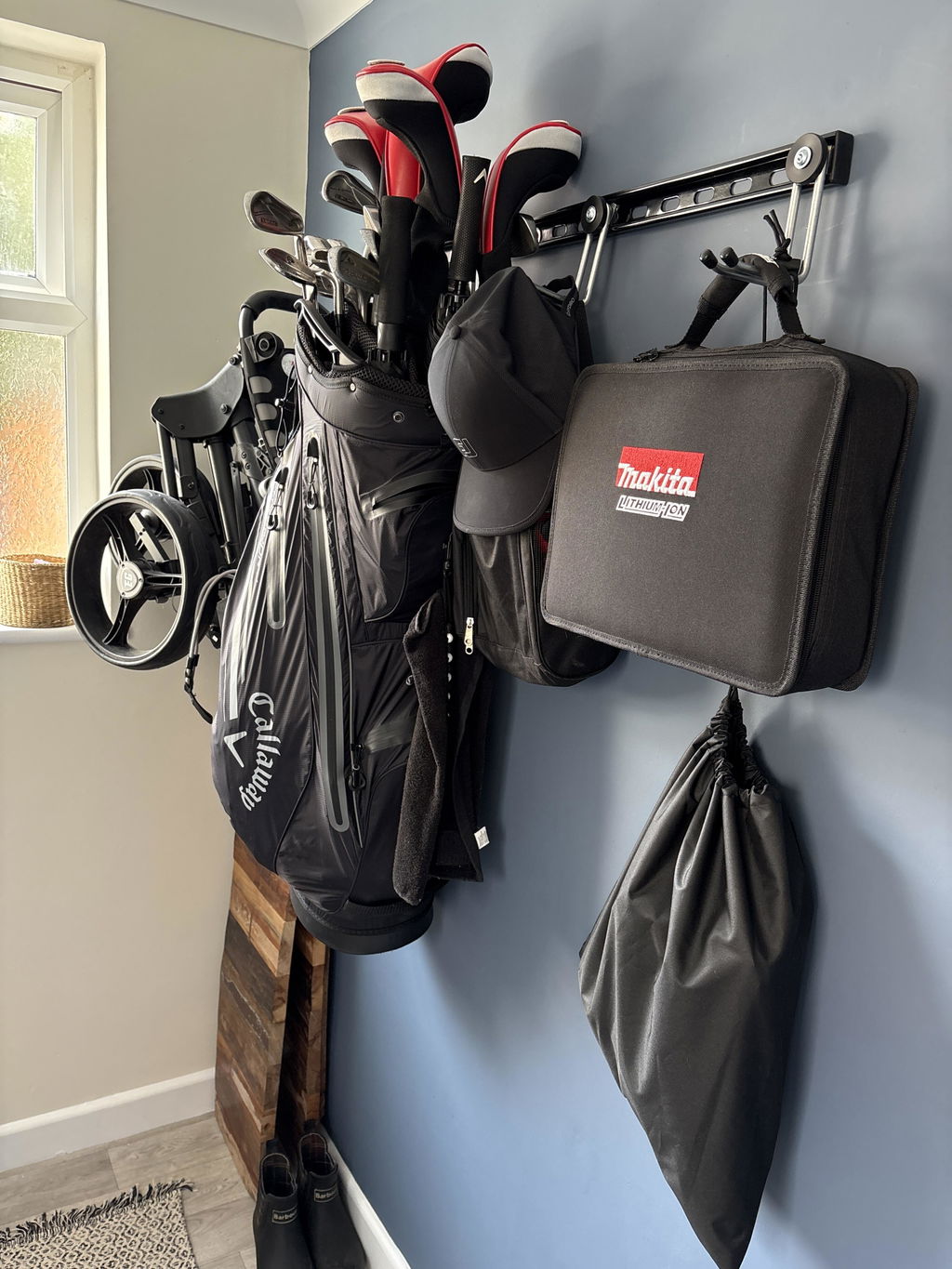
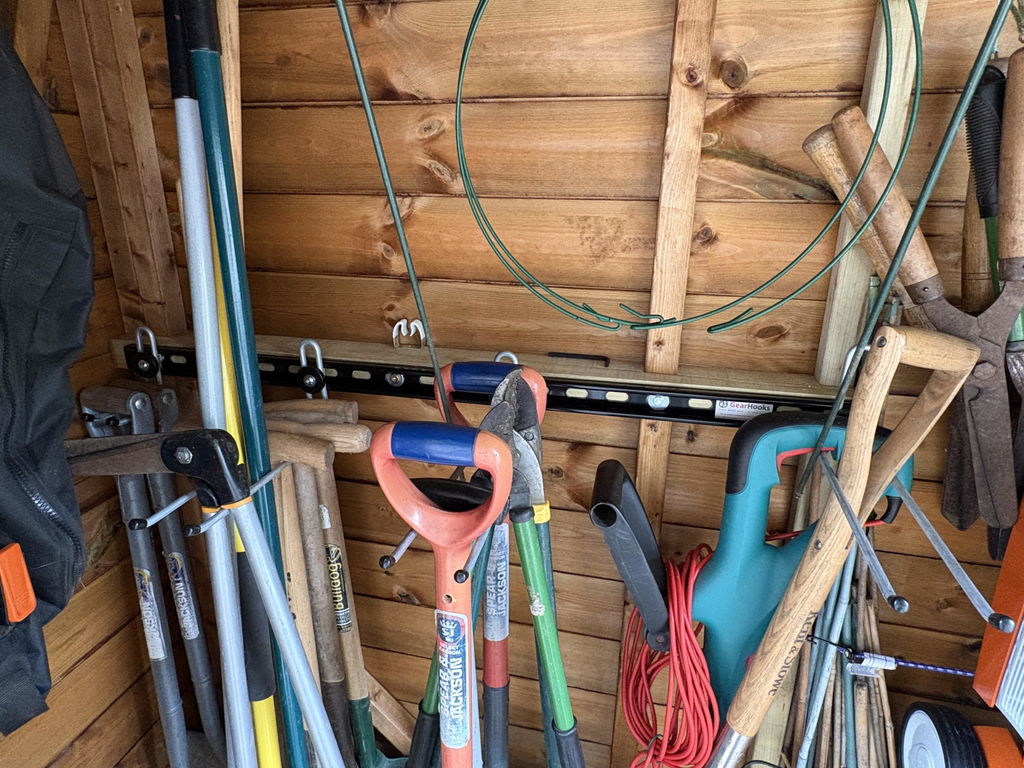
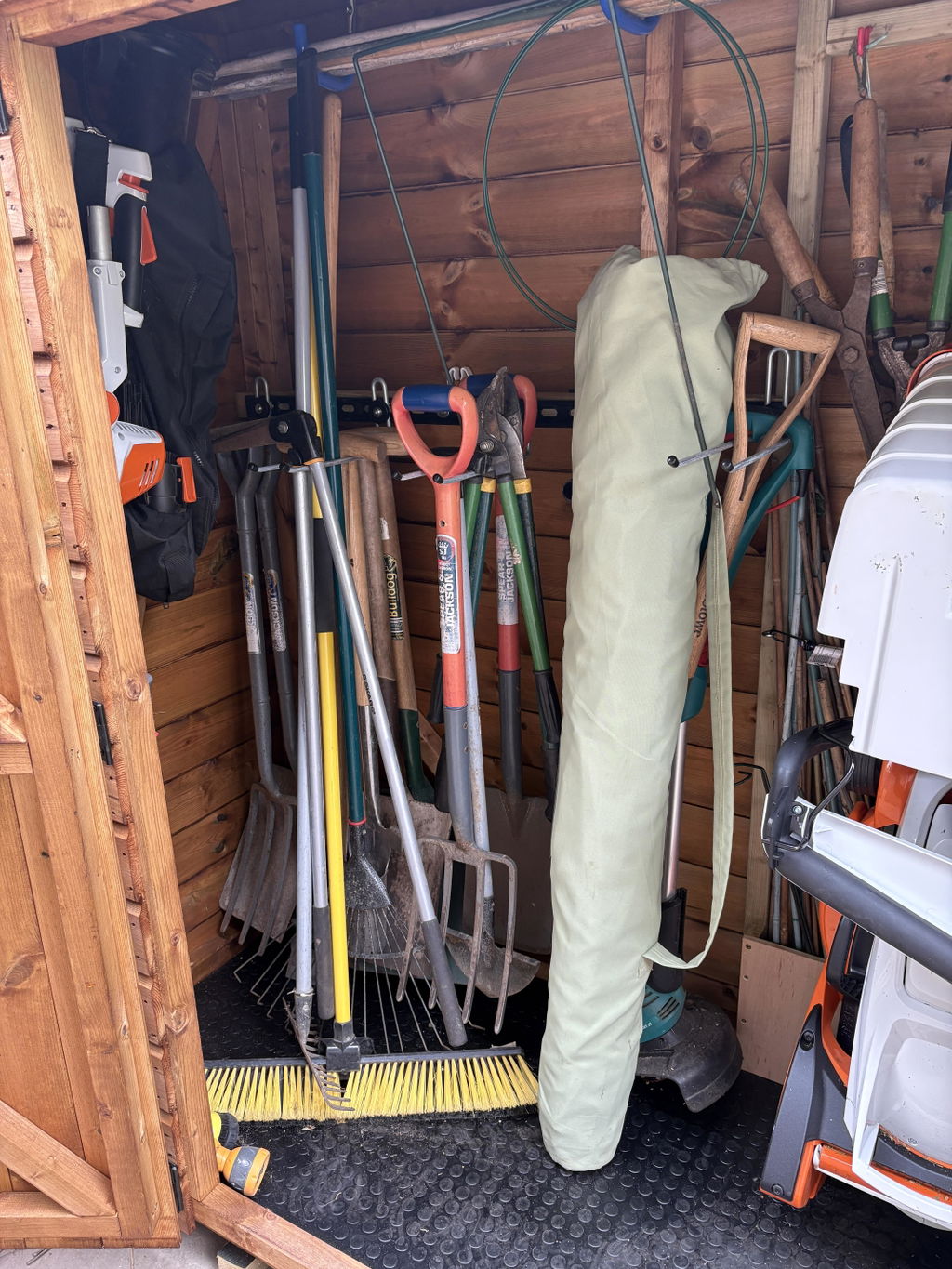
One of the best strategies is to utilize garden tool hooks. By hanging tools vertically, you can prevent moisture accumulation that occurs when they are stored on the ground. Hooks keep tools accessible and allow them to air dry after use, minimizing the chance of rust formation.
Airtight Containers
For smaller tools or parts, consider using airtight containers. These containers help keep moisture out, protecting the metal from the elements. Ensure that you add a desiccant (like silica gel) inside to absorb any residual moisture.
Dedicated Tool Cabinets
If you have a larger collection of tools, a dedicated tool cabinet is an excellent investment. Select one that is well-ventilated and ideally made from materials that resist rust. Installing a hygrometer within the cabinet can help monitor humidity levels and prompt you to take action if they exceed safe limits.
Regular Cleaning Techniques
Regular maintenance is crucial for preventing rust. By keeping metal surfaces clean, you eliminate any embedded moisture and debris that can lead to corrosion.
Post-Use Cleaning
Always clean your tools after each use. For garden tools, simply rinse off soil and debris with water. For stubborn dirt, a wire brush or cloth may be needed. Avoid soaking tools in water, as excessive exposure can lead to rust.
Deep Cleaning
Occasionally, tools may require a deep cleaning. Use a mild detergent and warm water, followed by thorough drying with a soft cloth. To add an extra layer of protective shine, you can even apply a light coat of mineral oil on metal surfaces after cleaning.
Rust Prevention Coatings
With the right preventative measures, you can significantly reduce the risk of rust. Here are some strategies involving protective coatings:
Use of Oil
One of the simplest ways to prevent rust is by applying a thin layer of oil on metal surfaces. Mineral oil or machine oil creates a protective barrier that repels moisture. Apply oil regularly, especially after cleaning, to ensure optimal protection.
Rust Inhibitors
Some manufacturers produce specific rust inhibitors that can be applied to tools to prevent corrosion. These coatings typically create a film on the surface that protects against moisture and air. Check if these options work for your tool's specific material.
Temperature Control
Extreme temperature fluctuations can lead to condensation, which accelerates rust. Maintaining an even temperature in your tool storage area can greatly reduce the risk of rust formation.
Climate-Controlled Storage
If possible, store your tools in a climate-controlled environment. This could be indoors or in a shed that has insulation and humidity controls. If your tools are in an outdoor shed, consider adding insulation or heat lamps during colder months to stabilize the environment.
Using Humidity Controllers
Invest in moisture absorbers or dehumidifiers if you live in a high-humidity area. Keeping humidity levels low can help prevent rust on garden tools and other metal equipment. Regularly monitor humidity using a hygrometer to ensure it's within a desirable range.
Routine Inspections for Damage
Inspecting your tools regularly is one of the most overlooked aspects of tool maintenance. Look for signs of wear, including rust spots and chipped surfaces.
Spotting Rust Early
Check for any tiny rust spots. If caught early, rust can often be removed easily using sandpaper or a wire brush. Regular inspections allow you to manage minor issues before they become extensive repairs.
Assessing For Other Damages
Evaluate wooden handles for signs of splintering and metal parts for warping or cracking. Handle wear can become a safety hazard, while cracked metal can lead to breakage during use. Timely replacements can save you from future complications.
Know When to Seek Professional Help
Sometimes, tools may require professional attention, especially for extensive rust damage or repairs that seem beyond typical maintenance. Knowing when to reach out will keep your toolbox robust.
Assessing Repair Needs
If a tool is heavily rusted or showing significant wear, it may be time to consider professional cleaning or restoration services. Evaluate each tool's usability against the cost of repairs versus replacements.
Seek Guidance From Experts
Whether it’s a local hardware store or a specialized tool repair service, don’t hesitate to ask for expert advice on tool maintenance. Professionals are often more than willing to share valuable insights tailored to your specific collection of tools.
A Tool Maintenance Schedule for Longevity
Developing a regular maintenance routine will go a long way in preserving your tools. Here’s a suggested monthly and seasonal schedule.
Monthly Maintenance
- Inspect for rust and damage.
- Clean tools after each use.
- Apply oil or protective coatings.
Seasonal Maintenance
- Deep clean tools at the beginning and end of each growing season.
- Check for humidity levels and adjust storage conditions accordingly.
- Assess if any tools require professional servicing.
The Last Word on Tool Protection
Investing time in effective maintenance strategies can extend the life of your tools significantly, ensuring they remain reliable in every gardening or DIY project. By incorporating proper storage techniques, routine cleaning, and regular inspections, you set your tools up for success against rust and damage. Stay vigilant in your tool maintenance journey, and you’ll benefit from a well-maintained collection that achieves the best results for all your tasks.
Frequently Asked Questions
1. What causes rust on tools?
2. How can I prevent rust on my garden tools?
3. What are effective cleaning techniques for garden tools?
4. How can I monitor and control humidity to prevent rust?
5. When should I seek professional help for my tools?
Linked Product

Garden Tool Hooks Rack - heavy duty storage for 30+ garden tools
The GearHooks Garden Tool Hooks Rack is designed for efficient storage, accommodating over 30 garden tools on a single 1-meter wall-mounted rack. This heavy-duty solution maximizes vertical space while keeping tools organized and easily accessible, making it ideal for those with limited storage areas. Its unique design allows for tools to be stored both behind and beside each other, helping to reduce clutter in sheds or garages.
View ProductKey Takeaways
- Prevent rust formation by understanding its causes: moisture, humidity, poor storage, and soil debris.
- Utilize vertical storage methods like garden tool hooks to minimize moisture accumulation.
- Regularly clean tools after each use to remove dirt and moisture that can lead to corrosion.
- Apply protective coatings such as mineral oil or rust inhibitors to create a barrier against moisture.
- Monitor humidity levels in storage areas with hygrometers and use dehumidifiers if necessary.
- Conduct routine inspections for signs of rust and damage, addressing issues promptly to prevent further deterioration.
- Establish a maintenance schedule that includes monthly inspections and seasonal deep cleaning to keep tools in top condition.
Glossary
| Term | Meaning |
|---|---|
| Rust | A chemical reaction causing metal deterioration due to moisture and oxygen exposure. |
| Oxidation | The process that leads to rust formation when metal reacts with oxygen. |
| Humidity | The amount of moisture in the air, which can increase rust risk. |
| Airtight Containers | Storage units that keep moisture out, protecting tools from rust. |
| Desiccant | Substances like silica gel that absorb moisture to prevent rust. |
| Rust Inhibitors | Protective coatings applied to tools to prevent corrosion. |
| Hygrometer | A device used to measure humidity levels in storage areas. |
| Deep Cleaning | A thorough cleaning process to remove dirt and prevent rust. |
| Climate-Controlled Storage | Storage spaces that regulate temperature and humidity to protect tools. |
| Routine Inspections | Regular checks for rust and damage to ensure tool longevity. |