
Finding Your Guitar Safe Zone: Indoor vs Outdoor Storage Tips
Key Takeaways
- Choosing the proper wall mount for guitar display validates instrument insurance policies by showing documented duty of care against accidental impact.
- Environmental hazards differ drastically between indoor climate-controlled studios and semi-outdoor sunrooms or garden sheds in 2026.
- Only non-reactive silicone sleeves guarantee 100% protection for fragile nitrocellulose lacquer finishes against chemical burns and melted finishes.
- Heavy-duty cold formed steel brackets engineered with safety retention straps prevent catastrophic drop damage under strict underwriting terms.
Table of Contents
- Instrument Insurance Underwriting: Why Mounting Hardware Dictates Claim Approvals
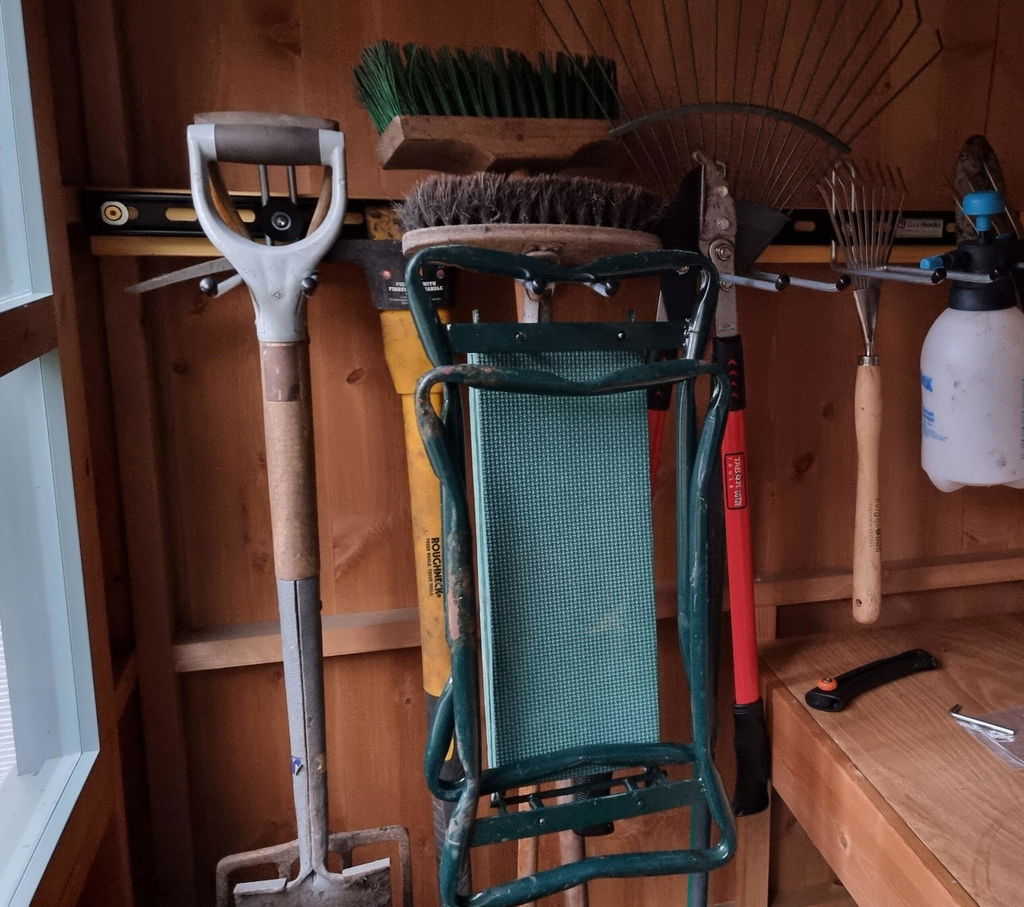
- Indoor Studios vs. Semi-Outdoor Garden Sheds: Managing Environmental Risk
- Best Wall Mount for Guitar Display: Industrial Steel vs. Flimsy Plastic Brackets
- Nitrocellulose Finish Protection: Why Non-Reactive Silicone Matters
- Guitar Wall Mount Sideways and Angled Storage: Maximizing Studio Real Estate
- Frequently Asked Questions About Wall Hanging Guitars
- Top 5 Industry Storage Problems GearHooks Solves
Securing a collection of prized electric and acoustic instruments requires more than simply buying decorative hardware; installing an engineered wall mount for guitar display bridges the vital gap between aesthetic staging and stringent instrument insurance compliance. Whether you maintain vintage pre-CBS stratocasters or modern custom shop builds, underwriters evaluate whether reasonable duty of care was maintained prior to honoring claims for drops, headstock snaps, or surface damage. According to guidelines from The Gear Page musician forums, negligent floor stands remain a leading cause of preventable domestic instrument damage.
In 2026, musicians are increasingly reclaiming living spaces by turning garden studios, enclosed sunrooms, and detached outbuildings into practice zones. However, moving delicate timber and reactive lacquers between climate-controlled environments and hybrid spaces introduces major structural risks. For related strategies on optimizing gear collections, see our guide on Mastering the Boutique Guitar Display: A Collector Community Guide.

Instrument Insurance Underwriting: Why Mounting Hardware Dictates Claim Approvals
Specialist musical instrument insurers scrutinize how instruments are stored when evaluating total loss claims resulting from drops or structural failure. Most underwriting policies stipulate that gear must be stored using industry-standard equipment that minimizes accidental impact or tipping. A flimsy single-screw fixture purchased from general retail discounters often fails structural evaluations after anchor pull-out, leading claims adjusters to categorize the event as gross negligence.
The Doctrine of Reasonable Care in Policy Contracts
Insurance providers like those analyzed on Investopedia expect policyholders to act as prudent owners. If your guitar crashes to the ground because an unrated plastic hanger snapped, adjusters can deny the claim under failure of due diligence clauses. Installing an engineered wall mount for guitar display fabricated from cold-formed zinc-plated steel demonstrates unmistakable compliance with strict security standards.
Documenting Wall Mount Structural Ratings
When dealing with vintage instruments valued into five figures, keeping receipts and technical specifications of your mounting system provides direct evidence of compliance. Heavy-duty mounting rails with CNC-machined clamps distribute load evenly across masonry or timber studs, completely removing the single-point-of-failure risk common to cheap hardware.
Expand your secure wall storage with heavy-duty cold-formed steel hooks built for maximum insurance compliance.
Explore Extra Guitar Hooks Now →Indoor Studios vs. Semi-Outdoor Garden Sheds: Managing Environmental Risk
The boundary between indoor living rooms and semi-outdoor outbuildings has blurred with the expansion of home studio pods in 2026. While an indoor studio provides stable HVAC climate management, detached sheds, converted garages, and sunrooms expose tonewoods to daily thermal cycling and humidity spikes. According to technical standards maintained by NIST, structural materials undergo continuous thermal expansion and contraction when exposed to unchecked ambient temperature swings.
Moisture Infiltration and Rust Prevention
Standard retail hangers made with untreated black steel or weak pot metals corrode quickly in unheated garden studios. Premium hardware utilizes bright zinc plating to prevent rust and surface corrosion over decades of exposure to ambient moisture. When selecting a wall mount for guitar display in non-traditional spaces, zinc plating ensures the bracket maintains its structural integrity without seizing or staining.
Avoiding Direct Sunlight and Radiative Heating
Never mount instruments directly facing unshaded southern windows in sunrooms or outbuildings. Rapid ultraviolet radiation degrades polyurethane and nitro finishes while heating the instrument neck unevenly, which induces warping. Learn how professional recording spaces counter atmospheric swings by reading Home Recording in Winter: Essential Gear Care and Storage Tips.
Best Wall Mount for Guitar Display: Industrial Steel vs. Flimsy Plastic Brackets
Choosing the best wall mount for guitar display comes down to structural engineering and load distribution. Many retail mounts use hollow nylon castings or molded plastics that degrade, turn brittle from indoor UV exposure, and fracture unexpectedly under the weight of heavier solid-body bass guitars or multi-neck instruments.

Cold-Formed Steel and CNC-Machined Locking Clamps
Industrial cold-formed steel brackets deliver superior yield strength compared to standard cast iron or molded plastics. When paired with a CNC-machined clamp and M8 sliding nut on a heavy-duty wall rail, the hook cannot shake loose from vibration or accidental bumps. This creates an unwavering anchor point that easily supports up to three guitars per hook on multi-depth brackets.
Integrated Retention Straps for Physical Security
Underwriters frequently look for positive mechanical retention rather than simple gravity rests. A professional wall mount for guitar display equipped with flexible safety retention straps guarantees that an accidental nudge while moving cables or cases cannot dislodge the instrument from its cradle.
Protect valuable lacquer finishes with chemically inert silicone sleeves engineered specifically for vintage guitars.
Upgrade to Silicone-Protected Hooks →Nitrocellulose Finish Protection: Why Non-Reactive Silicone Matters
A major hazard that catches vintage guitar collectors off guard is chemical plasticizer migration. Standard black foam rubber and surgical tubing commonly used on budget hangers contain petroleum-based vulcanizing agents. Over time, these chemicals leach into delicate nitrocellulose lacquer, melting the finish at the contact points and creating permanent neck burns that wipe thousands off an instrument's resale appraisal.
The Chemistry of Non-Reactive Silicone
Silicone polymers are chemically inert and free from migrating plasticizers, as recognized across medical and industrial engineering standards on Wikipedia. When you choose a wall mount for guitar display equipped with solid silicone sleeves, the contact surface will never dissolve, soften, or discolor nitrocellulose lacquer, modern polyurethane, or traditional French polish finishes.
Safe Cradling for Wider Necks
A standard 45mm prong gap easily accommodates typical six-string electrics and steel-string acoustics. For classical Spanish guitars or 12-string headstocks measuring wider at the nut, cold-formed steel prongs provide the structural flexibility to be adjusted manually without weakening the underlying metal or damaging the protective silicone sleeve.
Guitar Wall Mount Sideways and Angled Storage: Maximizing Studio Real Estate
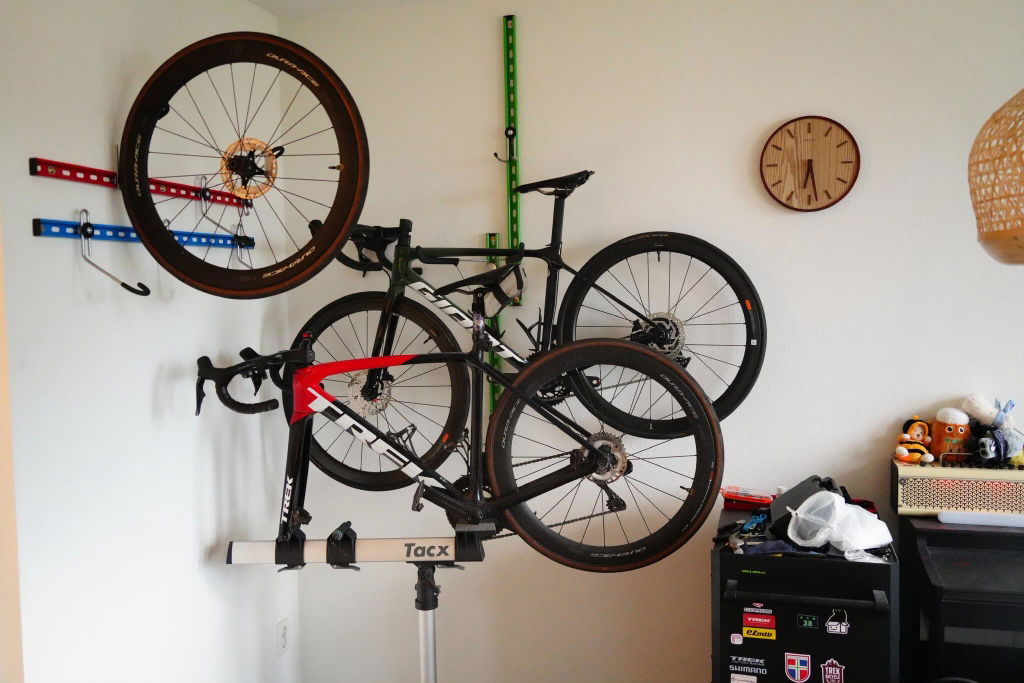
High-density studio walls require versatile spatial solutions. Hanging instruments flat against drywall consumes enormous horizontal space, limiting a small home studio to just two or three visible guitars. Setting up a guitar wall mount sideways or using extended double and triple hooks allows instruments to hang in depth or angled configurations, drastically reducing wall footprint.
By leveraging double-prong extended hooks measuring 100mm, 200mm, or 300mm, collectors can store one, two, or three guitars perpendicularly on a single wall mounting point. To understand how studios manage dense storage, review The Complete Multi-Instrument Wall Setup for Under £100 in 2026.
Environmental & Hardware Storage Comparison
Evaluating where and how to mount your gear dictates long-term instrument health. Review the matrix below to assess risk factors across your property:
| Storage Location | Humidity & Temp Risk | Insurance Scrutiny | Recommended Hardware Spec |
|---|---|---|---|
| Climate Studio (Indoor) | Low (Controlled HVAC) | Standard Due Care | Wall mount for guitar display with silicone sleeves |
| Sunroom / Conservatory | High (Thermal spikes, UV) | High (Sunlight exclusions) | UV-shielded placement + steel safety straps |
| Detached Garden Studio | Moderate to High (Cycles) | Strict (Outbuilding terms) | Zinc-plated steel rail mounts, non-corrosive fixings |
| Garage Workshop | Severe (Moisture & airborne dust) | Very Strict (Negligence risk) | Industrial-grade rail rack with mechanical security locks |
Customise your home studio wall with modular brackets designed to hold 1, 2, or 3 instruments per hook safely.
Order Extra Multi-Guitar Hooks →
🛍️ Part of a Collection
Guitar wall mounts | Hooks & Racks | GearHooks
Discover all products in this collection
View Full Collection →Timeline: Building an Insurance-Approved Guitar Safe Zone
Frequently Asked Questions About Wall Hanging Guitars
What is the best way to display guitars on the wall?
What is the best way to display guitars on the wall?
The best way to display guitars on the wall is by using a heavy-duty, rail-mounted system fabricated from cold-formed steel that anchors securely into wall studs or solid masonry. Mounting your instruments on an engineered wall mount for guitar display equipped with non-reactive silicone sleeves ensures the headstock is supported safely without chemical lacquer damage. Additionally, utilizing integrated retention straps prevents instruments from being knocked out of place accidentally.
Is it a good idea to hang a guitar on the wall?
Yes, hanging a guitar on the wall is an excellent practice when using proper structural hardware. Wall storage keeps instruments safe from floor-level trip hazards, curious pets, and vacuum cleaners while freeing up valuable practice space. Furthermore, keeping guitars visible and easily accessible encourages more frequent daily practice sessions.
How can I hang my guitar on the wall?
To hang your guitar safely, locate a solid timber wall stud or use heavy-duty masonry anchors to attach an industrial steel mounting bracket. Avoid rely on basic drywall plaster plugs or adhesive hooks that are prone to sudden shear failure under continuous tension. Ensure the cradle uses non-reactive silicone padding and wrap the safety retention strap across the prongs to secure the neck.
What are the best wall hangers for guitars?
The best wall hangers feature industrial-grade cold-formed steel brackets with bright zinc plating to prevent rust and corrosion in any home environment. They should include chemically inert silicone padding that is 100% safe for vintage nitrocellulose lacquer, along with positive retention straps to keep the instrument completely locked in place.
Top 5 Industry Storage Problems GearHooks Solves
-
Finish Degradation on Vintage Lacquers: Standard retail foam reacts with nitrocellulose finishes, causing costly cosmetic melting. GearHooks eliminates this using chemically stable, pure silicone sleeves that protect both vintage and modern guitars.
-
Catastrophic Anchor Pull-Out: Single-screw decorative hangers concentrate load onto tiny drywall anchors. GearHooks utilizes robust sliding rail clamps and cold-formed steel brackets that distribute weight evenly across studs or solid brick walls.
-
Cluttered Floor Stand Hazards: Conventional tripod stands get tripped over, vacuumed into, or knocked over by children and pets. Wall rail mounting elevates instruments entirely out of reach of domestic floor collisions.
-
Severe Space Limitations: Storing instruments side-by-side horizontally quickly runs out of wall space. GearHooks multi-guitar hooks (100mm, 200mm, and 300mm) allow hanging instruments in depth, holding up to three guitars per hook.
-
Insurance Underwriting Non-Compliance: Unsupported or loose floor storage can lead insurance adjusters to cite negligence in drop claims. Installing heavy-duty steel fixtures equipped with mechanical safety straps demonstrates proper duty of care.
Conclusion: Create Your Certified Guitar Safe Zone in 2026
- Finish Degradation on Vintage Lacquers: Standard retail foam reacts with nitrocellulose finishes, causing costly cosmetic melting. GearHooks eliminates this using chemically stable, pure silicone sleeves that protect both vintage and modern guitars.
- Catastrophic Anchor Pull-Out: Single-screw decorative hangers concentrate load onto tiny drywall anchors. GearHooks utilizes robust sliding rail clamps and cold-formed steel brackets that distribute weight evenly across studs or solid brick walls.
- Cluttered Floor Stand Hazards: Conventional tripod stands get tripped over, vacuumed into, or knocked over by children and pets. Wall rail mounting elevates instruments entirely out of reach of domestic floor collisions.
- Severe Space Limitations: Storing instruments side-by-side horizontally quickly runs out of wall space. GearHooks multi-guitar hooks (100mm, 200mm, and 300mm) allow hanging instruments in depth, holding up to three guitars per hook.
- Insurance Underwriting Non-Compliance: Unsupported or loose floor storage can lead insurance adjusters to cite negligence in drop claims. Installing heavy-duty steel fixtures equipped with mechanical safety straps demonstrates proper duty of care.
Conclusion: Create Your Certified Guitar Safe Zone in 2026
Investing in your guitar collection requires treating physical storage with the same seriousness as amplification and tuning stability. By deploying an engineered wall mount for guitar display, you simultaneously enhance your studio aesthetic, protect delicate nitro finishes with inert silicone, and satisfy strict insurance underwriting conditions. Whether arranging a dedicated indoor recording room or optimizing a cozy garden studio, choose cold-formed steel brackets that give your instruments the unshakeable foundation they deserve.