
Effortlessly Organize Your Shed: A Ultimate Guide
Share
Overview
Organizing your shed enhances safety, maximizes space, and improves productivity. Follow these steps: empty and clean your shed, categorize and assess your items, choose effective storage solutions, and maintain organization with regular check-ins. Personalizing your shed can also make it a more enjoyable workspace.
Table of Contents
- The Importance of Shed Organization
- Enhances Safety
- Optimizes Your Space
- Step-by-Step Guide to Organizing Your Shed
- Step 1: Empty Your Shed
- Step 2: Clean Thoroughly
- Step 3: Categorize Your Items
- Step 4: Assess Items for Usefulness
- Step 5: Choose Appropriate Storage Solutions
- Efficiently Storing Your Garden Tools
- What Is the Best Way to Store Garden Tools?
- Other Storage Ideas for Garden Tools
- Creating a Functional Workspace
- Incorporate a Workbench
- Lighting Solutions
- Establishing Maintenance Routines
- Regular Check-Ins
- Seasonal Clean-Up
- Make It Your Own
When it comes to maintaining an organized shed, many homeowners often feel overwhelmed by the amount of tools and equipment they have accumulated over the years. A cluttered shed can not only hinder your gardening and DIY projects but also pose safety hazards. In this step-by-step guide, we'll walk you through practical solutions to decluttering your shed and ensuring that everything is stored efficiently. By following these steps, you'll be able to maximize your workspace, keep your tools in prime condition, and ultimately enhance your productivity.
The Importance of Shed Organization
Before diving into the organizing process, it’s important to understand why maintaining an organized shed is crucial. A well-organized shed does more than just look neat; it efficiently houses all your essential items, making them easy to find when you need them. Plus, it contributes to the longevity of your tools by preventing damage and wear caused by haphazard storage.
Enhances Safety
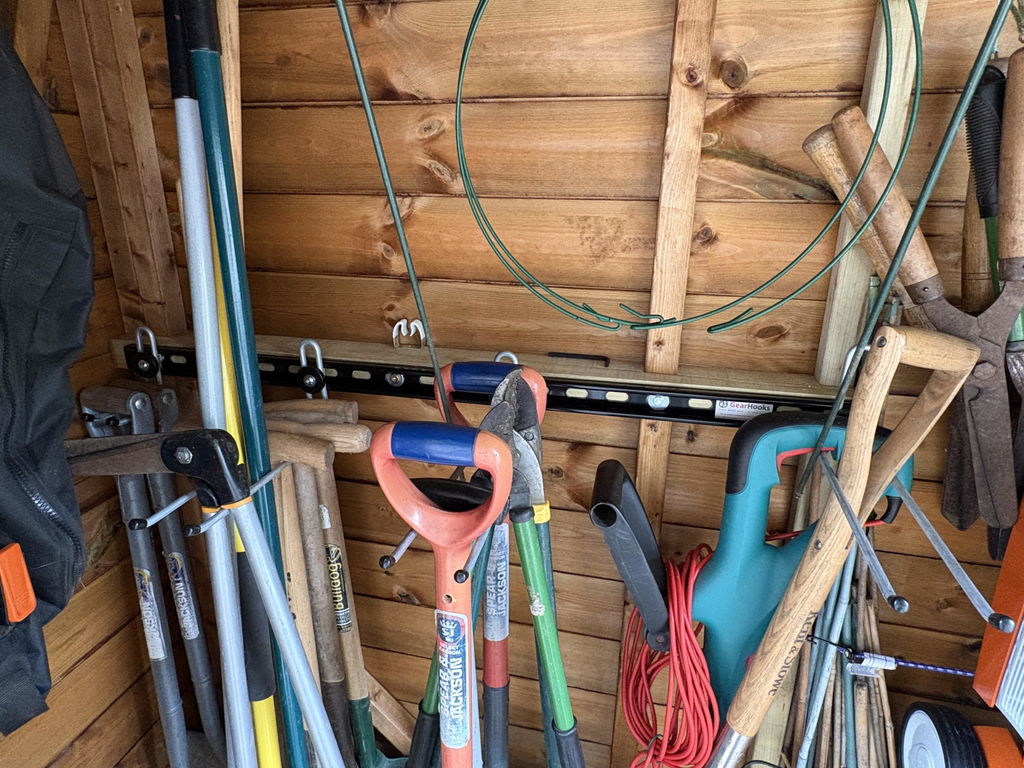
An organized shed minimizes the risk of accidents. When tools are scattered around, it’s easy to trip or accidentally injure yourself. Proper storage solutions like a garden tool hooks rack can keep your items securely stored and within reach.
Optimizes Your Space
Every square inch of a shed is valuable. By utilizing effective storage solutions, you can create more space for additional tools or even a workbench. This optimization allows for a more productive work environment.
Step-by-Step Guide to Organizing Your Shed
Step 1: Empty Your Shed
The first step to organizing your shed is to completely clear it out. Take each item out and place it in an open area. This will help you see exactly what you have on hand and provide the opportunity to clean the shed space.
Step 2: Clean Thoroughly
Once everything is out, take the opportunity to clean the shed. Sweep the floor, wipe down surfaces, and check for any signs of pest infestations. A clean area is crucial for starting fresh.
Step 3: Categorize Your Items
Begin sorting your items into categories. Common categories include:
- Hand tools (hammers, wrenches, etc.)
- Gardening tools (spades, rakes, pruning shears)
- Power tools (drills, saws)
- Miscellaneous items (extension cords, chemicals)
Group similar items together to make storage decisions easier.
Step 4: Assess Items for Usefulness
While sorting, assess each item for its usefulness. Ask yourself the following questions:
- Have I used this tool in the last year?
- Is this tool in good condition?
- Do I really need this item?
If an item doesn't pass the test, consider donating or selling it. This will not only free up space but also help someone else who may need the tools.
Step 5: Choose Appropriate Storage Solutions
Now that you have sorted and assessed your tools, it's time to design an efficient storage solution. Here are some effective methods:
Utilizing Vertical Space
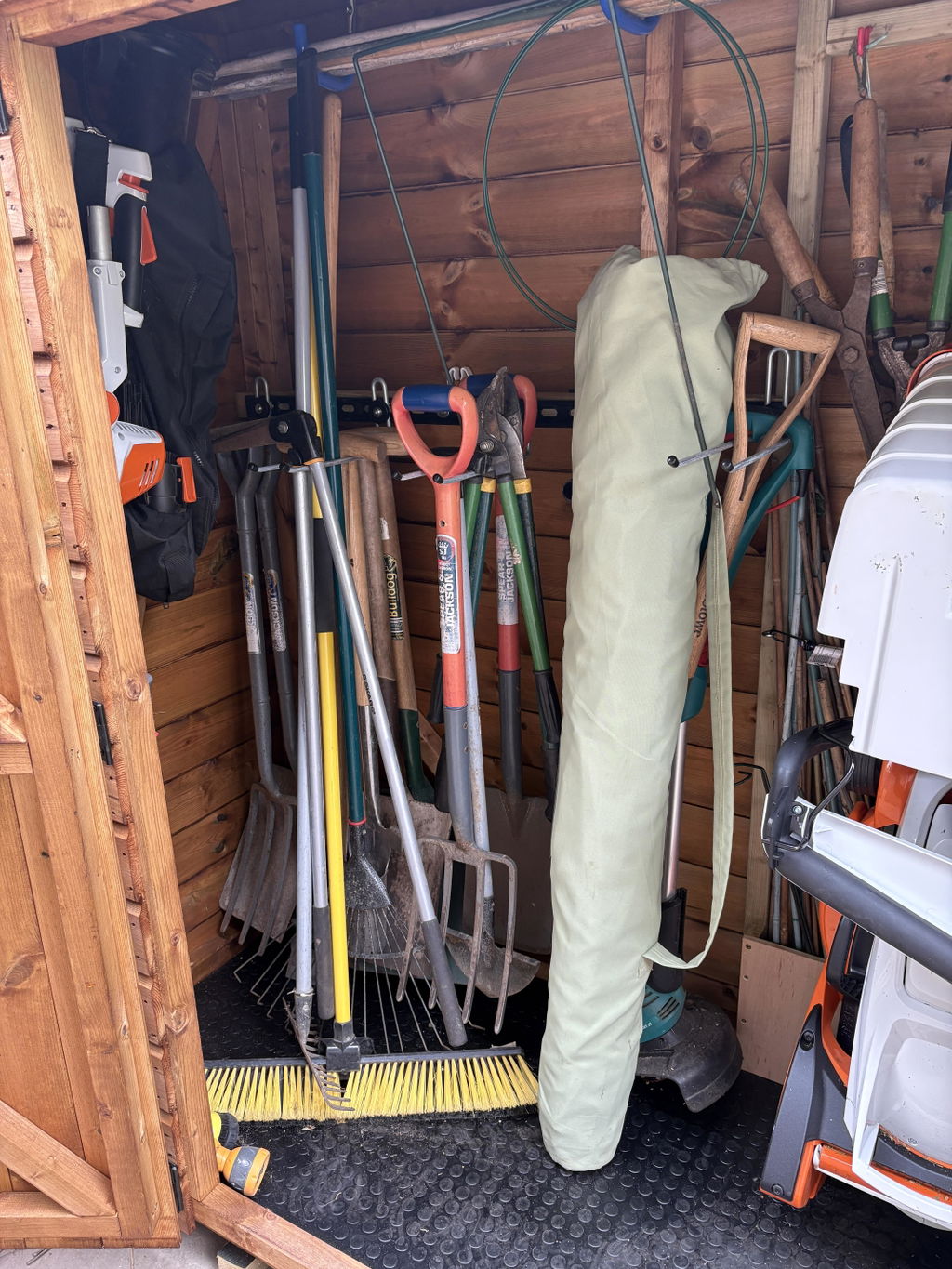
One of the best ways to maximize your shed’s space is by using vertical storage options. Wall-mounted shelves, pegboards, and a garden tool hooks rack can make a significant difference in organization. Tools can be hung on the wall, keeping them visible and accessible.
Investing in Shelving Units
Open shelving units can be a simple solution to keeping your items organized. Reserve the top shelves for items that you rarely use, while keeping everyday tools within easy reach. Ensure that shelves are sturdy enough to handle the weight of heavier items.
Storage Bins and Containers
Clear plastic bins are ideal for smaller items. Label each bin to make it easy to find what you’re looking for without rummaging through the entire shed. Boxed storage can also prevent dust and dirt from accumulating on your tools.
Efficiently Storing Your Garden Tools
What Is the Best Way to Store Garden Tools?
When it comes to garden tools, using a garden tool hooks rack is highly recommended. Hanging tools can prevent blade damage and make it easier to locate what you need. Plus, it minimizes the space you take up in the shed.
Other Storage Ideas for Garden Tools
In addition to hooks, consider the following storage options:
- Tool chests with drawers for hand tools.
- Magnetic strips to hold metal tools like scissors or pliers.
- Tool belts for easy transport while working in the garden.
Remember, keeping your tools in good condition can lead to better performance and longevity. Regularly check your tools for any necessary maintenance and clean them after use.
Creating a Functional Workspace
Incorporate a Workbench
If space allows, add a workbench to your shed. A designated area for projects will enhance your productivity. You can work on repairs or create new projects without cluttering up your storage space.
Lighting Solutions
Good lighting is essential for a functional workspace. If your shed is dark, consider adding battery-operated lights or a solar light fixture. Proper lighting will make it easier to find tools and complete tasks efficiently.
Establishing Maintenance Routines
Regular Check-Ins
Maintaining an organized shed doesn’t end once everything is neatly placed. Schedule regular check-ins every few months to reassess your storage system. Make necessary changes to improve efficiency as projects or tools come in and out of use.
Seasonal Clean-Up
Every season, make it a point to review your shed’s contents. Some tools may only be used in specific seasons, like snow shovels or lawn care tools. Rotating these items can keep clutter at bay and ensure seasonal tools are readily accessible.
Make It Your Own
Personalizing your shed can make it a more enjoyable space to be in. Consider decorating with inspirational quotes, planning your layout based on aesthetics, or adding decorative pavers to the entrance. Making the space your own can lead to a higher satisfaction level and encourage you to keep it organized.
With a little time and effort, you'll have an organized shed that enhances your gardening experience and makes your DIY projects easier than ever. Remember, the goal is to create a space where everything has a home, and you can find what you need quickly and effortlessly. Taking the steps outlined above will help you establish long-lasting organization and maximize the utility of your shed.
Ultimately, maintaining an organized shed is not just a task; it’s an investment in your gardening and DIY pursuits. A well-planned shed ensures you are ready to tackle any project that comes to mind, while also keeping your tools in excellent shape for years to come. Happy organizing!
Frequently Asked Questions
1. Why is organizing my shed important?
2. What are the first steps to declutter my shed?
3. What storage solutions work best for organizing tools in a shed?
4. How often should I maintain my shed organization?
5. How can I personalize my shed to enhance my experience?
Key Takeaways
- Empty and Clean: Start by completely clearing out your shed to assess your items and clean the space thoroughly.
- Categorize Tools: Sort items into categories such as hand tools, gardening tools, power tools, and miscellaneous items for easier organization.
- Assess Usefulness: Evaluate each item’s necessity and condition, and consider donating or selling those that are no longer useful.
- Utilize Vertical Space: Maximize storage by using wall-mounted shelves, pegboards, and garden tool hooks to keep tools visible and accessible.
- Regular Maintenance: Schedule check-ins every few months to reassess and reorganize your shed as needed to maintain efficiency.
- Seasonal Clean-Up: Review and rotate seasonal tools to keep clutter at bay and ensure easy access to items you need at different times of the year.
- Create a Functional Workspace: If space allows, incorporate a workbench and good lighting to enhance productivity and make tasks easier to complete.
Glossary
| Term | Meaning |
|---|---|
| Shed | A small structure used for storage, often in a backyard. |
| Decluttering | The process of removing unnecessary items to create a more organized space. |
| Storage Solutions | Methods or products used to organize and store items efficiently. |
| Vertical Space | Utilizing height in storage to maximize available area. |
| Garden Tool Hooks Rack | A storage solution that hangs tools on walls to save space. |
| Maintenance Routines | Regular practices to keep tools and storage organized and functional. |
| Workbench | A sturdy table for working on projects or repairs. |
| Seasonal Clean-Up | Reviewing and organizing items based on seasonal usage. |
| Labeling | Marking storage containers for easy identification of contents. |
| Productivity | The efficiency of completing tasks and projects effectively. |
Related Reading
- Ultimate How-to Guide: Maximising Ski and Snowboard Storage with Versatile Wall Rack Solutions
- Essential Safety Tips for Hanging & Storing Garden Tools
- Organise Your Gear Efficiently: Ski and Snowboard Storage with a Compact Wall Mount Solution
- The Complete 3-Bike and Gear Storage Setup for Under £100 in 2026